



Some cultural traditions survive in books. Others survive because people continue to speak, sing, remember, perform, and reinterpret them. The Epic of King Gesar belongs to the second kind.
Known across Tibetan, Mongolian, Tu, and other communities of Inner and Central Asia, the Gesar tradition is one of the world's great living epic traditions. Its stories follow the heroic King Gesar through battles, journeys, moral struggles, supernatural encounters, and the defense of his realm. Yet the importance of the epic is larger than the adventures of a single hero: it is a vast storehouse of memory, language, values, landscape, religion, and regional identity.
Quick Answer
The Epic of King Gesar is a living oral epic tradition shared across several communities, including Tibetan communities. Performers narrate long episodes in prose and verse, and versions vary by region and performer. UNESCO inscribed the Gesar epic tradition on the Representative List of the Intangible Cultural Heritage of Humanity in 2009.
Who Is King Gesar?
King Gesar is the central hero of an enormous cycle of stories rather than the protagonist of one fixed modern novel. Different episodes describe his birth, rise to kingship, military campaigns, encounters with rival kingdoms, religious dimensions, and extraordinary abilities.
Because the epic has circulated orally for generations, there is no single edition that can stand for every community. The characters, emphasis, sequence, language, and local details can change from one performance tradition to another.
That flexibility is not a flaw. It is one of the defining features of oral heritage.
Why the Gesar Epic Is a Living Tradition
A printed text remains materially stable after publication. Oral performance works differently. A storyteller carries inherited structures while also shaping a performance for a particular place, audience, and moment.
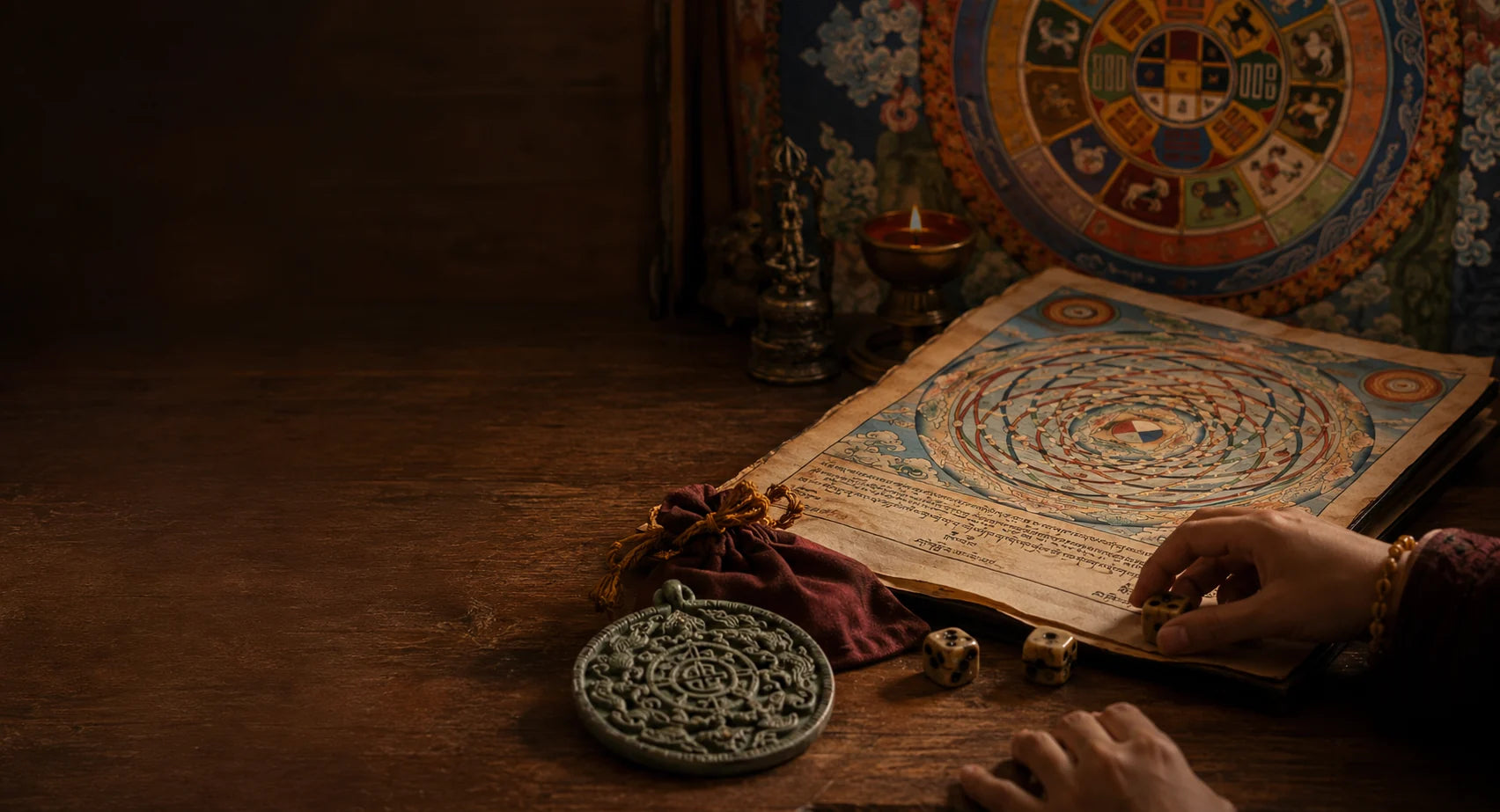
UNESCO describes Gesar performers as narrating in alternating prose and verse. Tibetan masters may use gestures, changes of voice, rhythm, and other performative techniques. Some traditions also connect storytelling with special objects and ritualized practices.
This means the epic is not only a story that people know. It is something people do.

Oral Memory Does Not Mean Word-for-Word Memorization
When people hear that an epic is transmitted orally, they may imagine a performer memorizing one enormous script. Oral traditions are often more complex.
Performers can inherit episodes, formulas, character relationships, poetic structures, melodic patterns, motifs, and narrative sequences. These provide a framework within which a performance can unfold. The result is continuity without requiring every performance to be identical.
This is why two tellings can differ and still belong to the same epic tradition.
Landscape Inside the Story
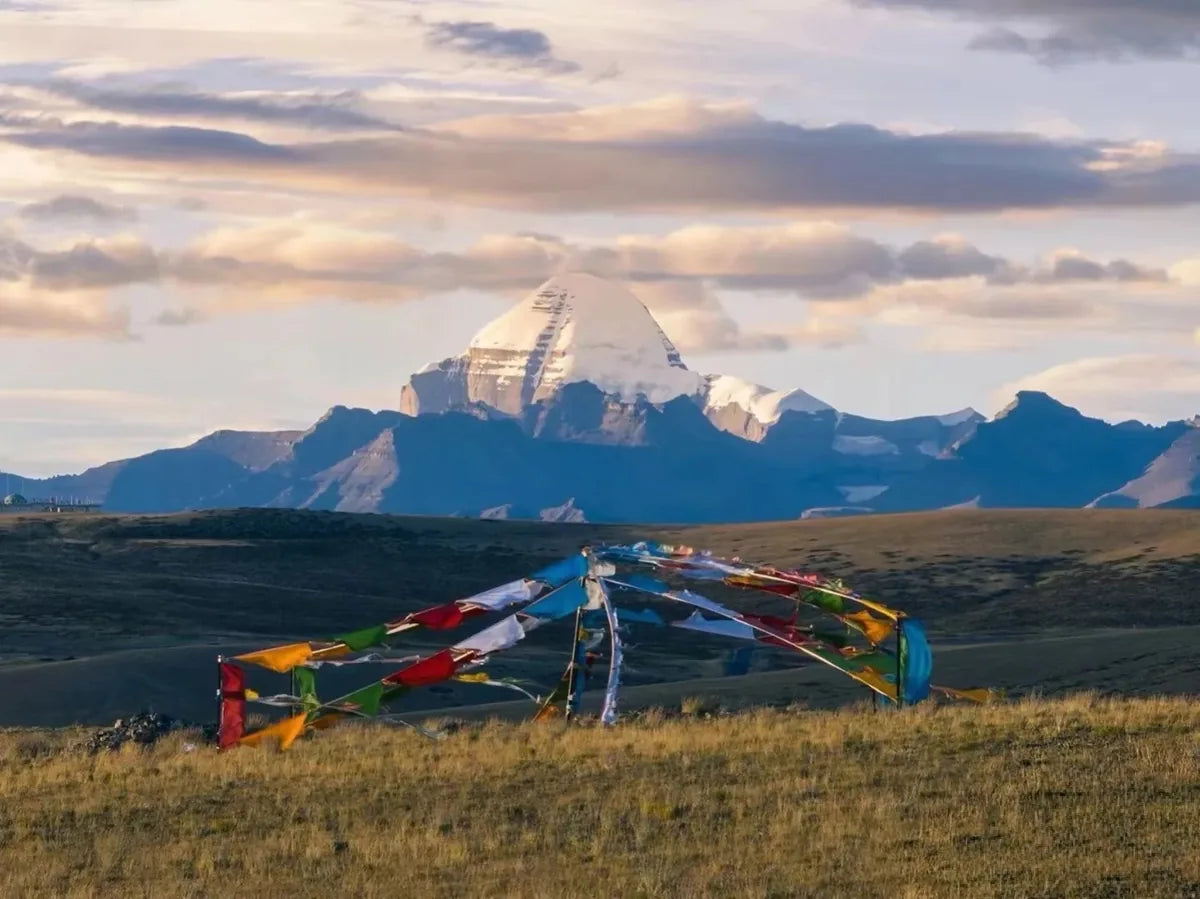
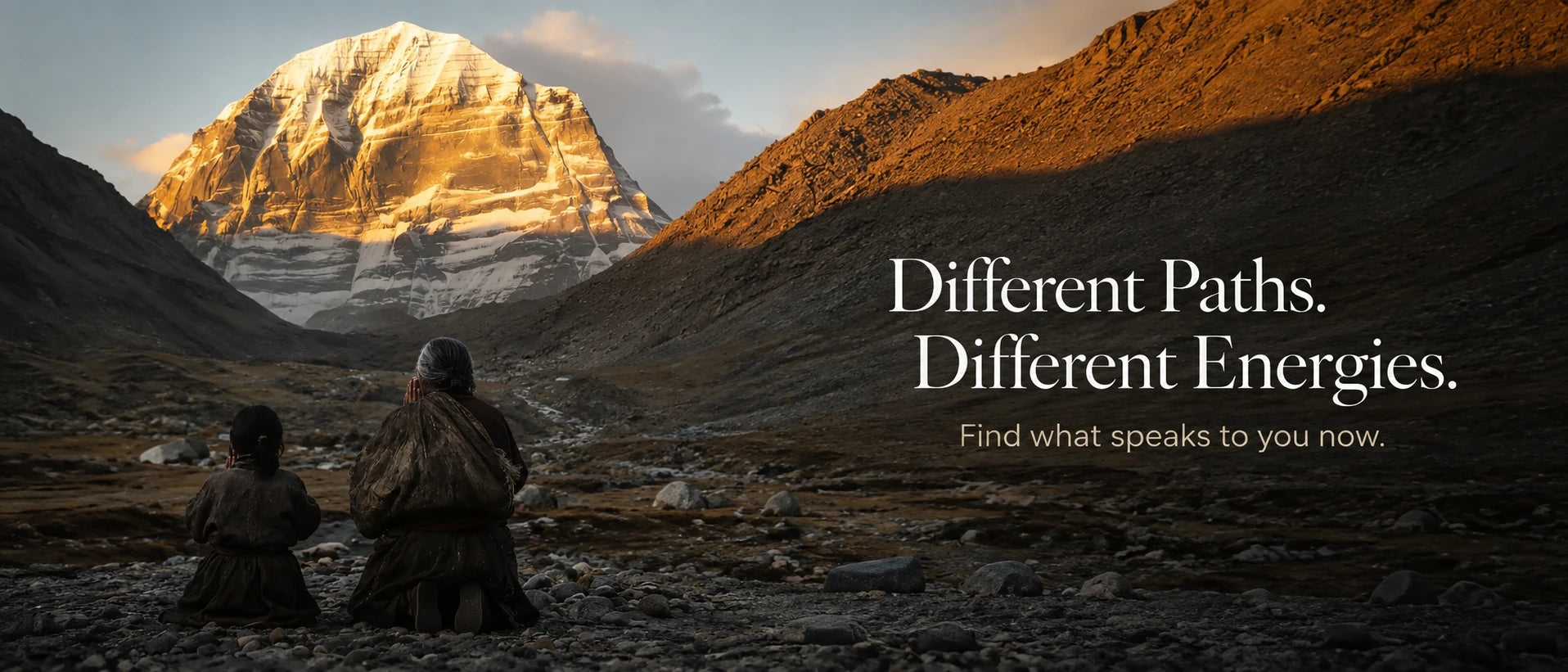
Epic traditions are often deeply geographical. Mountains, grasslands, rivers, routes, settlements, and sacred places can become part of how audiences imagine the story world.
For Tibetan communities, this relationship between narrative and landscape is especially important because place is rarely just background. It can carry historical memory, religious associations, local identity, and family or community stories.
As the epic travels, local landscapes can also enter local versions. The story becomes a map of memory as much as a sequence of events.
How the Epic Connects to Tibetan Art and Performance
UNESCO notes that Gesar stories have influenced other forms of cultural expression, including thangka painting and Tibetan opera. This is a useful example of how traditions do not exist in isolated categories.
A story can become a painting. A character can become a performed role. A scene can be sung. A hero can appear in murals or local visual culture. Oral narrative therefore feeds a larger network of art, performance, and collective memory.
For more on sacred and narrative painting, read our guide to Tibetan thangka painting.
Why Regional Differences Matter
Calling the Gesar tradition “Tibetan” is important but incomplete if it suggests the epic belongs to only one homogeneous version. The tradition exists across multiple languages and communities, and Tibetan tellings themselves vary by region.
This diversity is central to the heritage. It shows how a shared narrative can connect communities without erasing local differences.
For cultural research, regional variation is valuable evidence. It reveals what different communities chose to preserve, emphasize, reinterpret, or attach to their own landscapes.
What Does UNESCO Recognition Protect?
As with other forms of intangible cultural heritage, the goal is not merely to preserve a famous title. What matters is the living chain: performers, teachers, audiences, languages, performance settings, memory techniques, community knowledge, and the conditions that allow future generations to continue the tradition.
A recording can document a performance. A transcription can preserve words. But neither replaces a living community of storytellers and listeners.
Storytelling as Cultural Identity
Epic heroes often carry values that communities debate as much as celebrate. Courage, loyalty, leadership, violence, justice, religious responsibility, cleverness, and the defense of community can all become part of the moral world of a story.
That does not mean every listener interprets the epic in the same way. Cultural identity is not a fixed message. It is a continuing conversation between inherited stories and present-day audiences.
Why the Gesar Epic Matters to a Material-Culture Journal
Kailora often explores symbols, jewelry, textiles, ritual objects, and visual art. The Gesar tradition reminds us that material culture is only one part of culture.
Objects gain meaning because people tell stories about them. Symbols remain recognizable because communities teach their meanings. Designs travel because people carry memories across generations.
Understanding oral tradition therefore makes it easier to understand why the same motif can appear in painting, performance, household objects, and contemporary design while carrying different layers of meaning.
Frequently Asked Questions
Is King Gesar a historical king?
The epic combines heroic, legendary, religious, and regional traditions. Attempts to reduce Gesar to a single historically verifiable biography miss the nature of the living epic tradition.
Is there one official version of the Epic of King Gesar?
No. Versions differ across languages, regions, communities, and performers.
Is the Gesar epic still performed?
Yes. Its recognition as intangible cultural heritage is specifically connected with living oral performance and transmission.
What art forms has the epic influenced?
Its stories and figures appear in visual art and have connections with Tibetan opera and other forms of cultural expression.
A Story Survives When It Is Retold
The Epic of King Gesar shows a different kind of continuity from a preserved ancient object. Its continuity lives in variation: one voice passing a story to another, one region adapting inherited material, one audience hearing an old hero in a new moment.
That makes the epic not only a monument of the past, but an active form of cultural memory.
Continue exploring storytelling, art, ritual, and material culture in the Kailora Tibetan Culture Guide.