
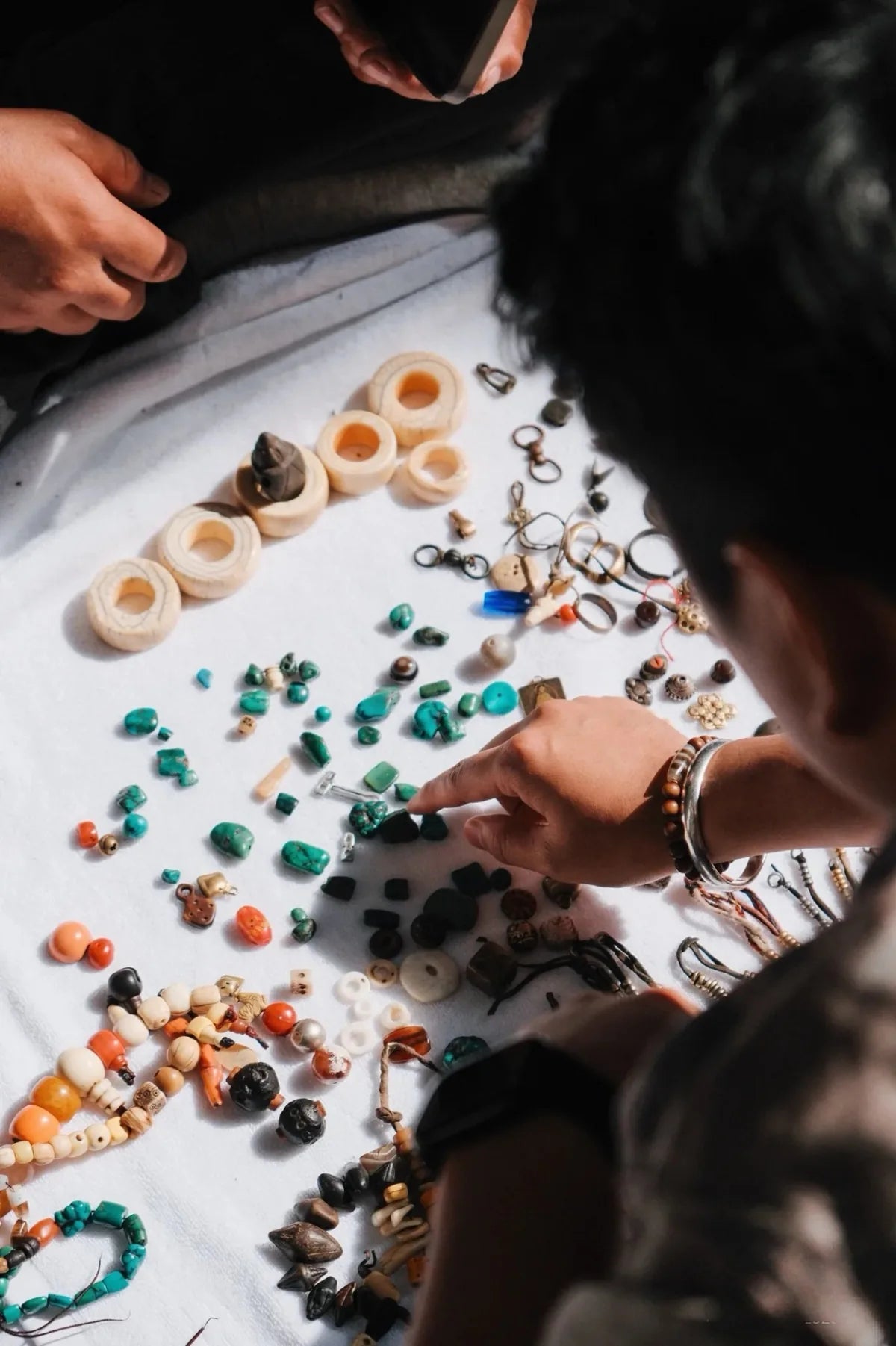
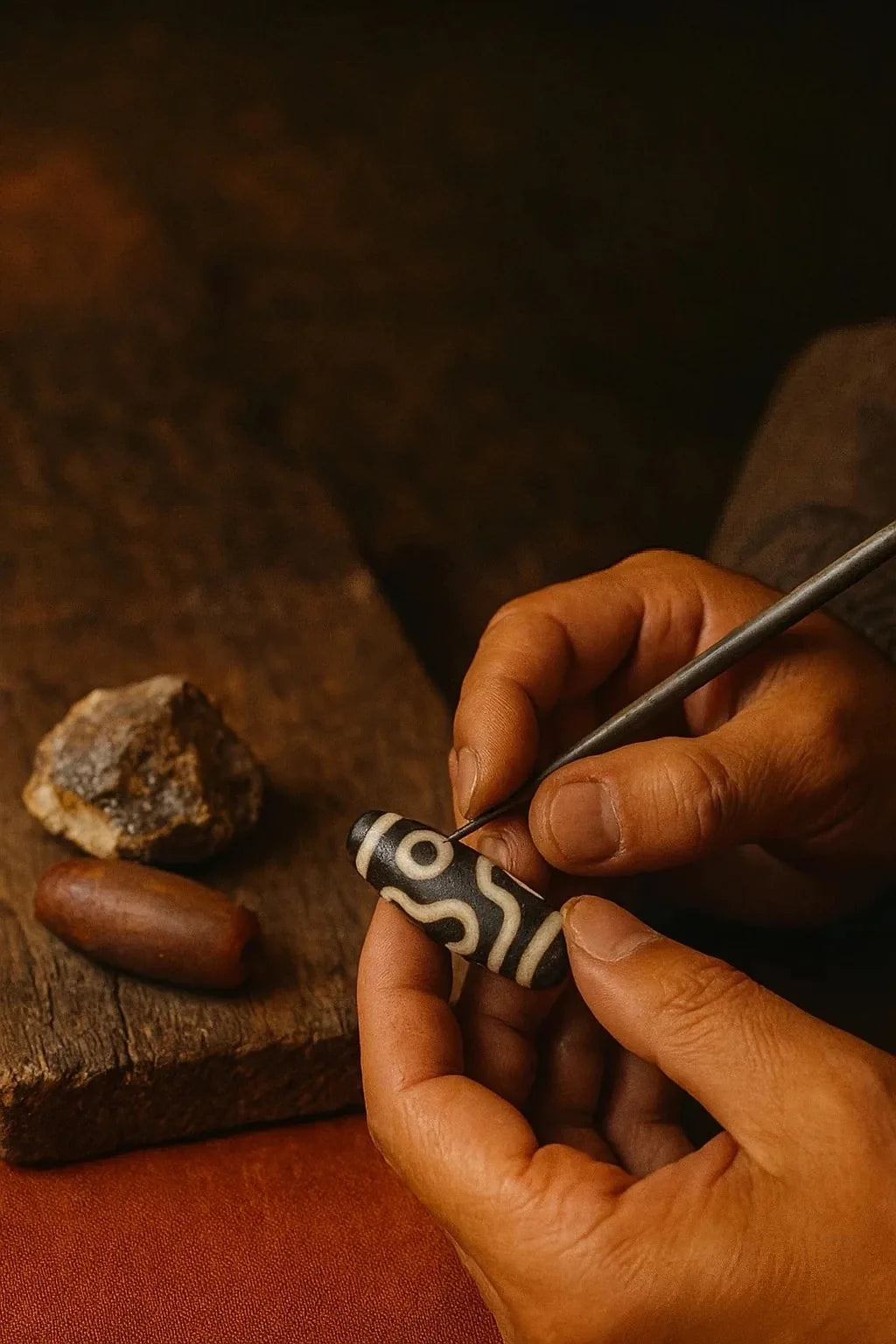
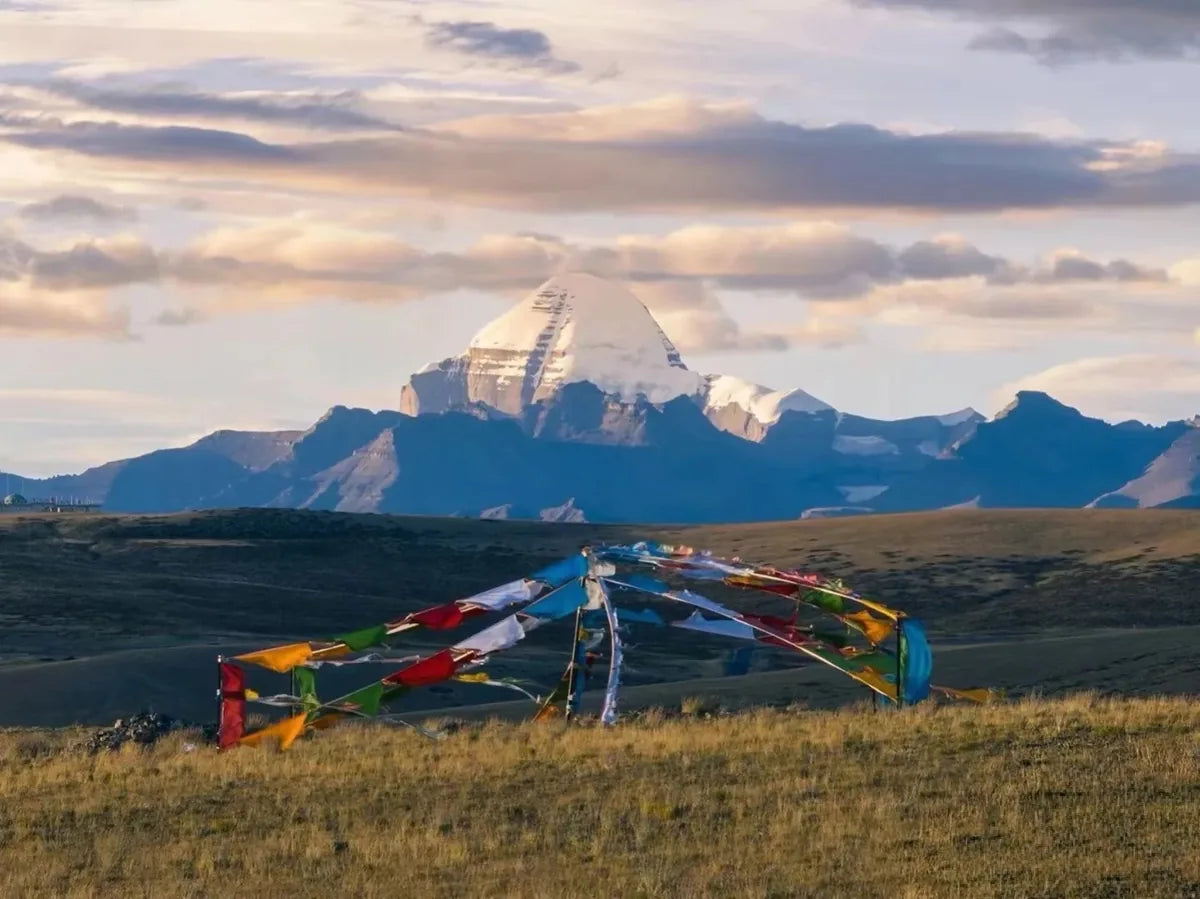

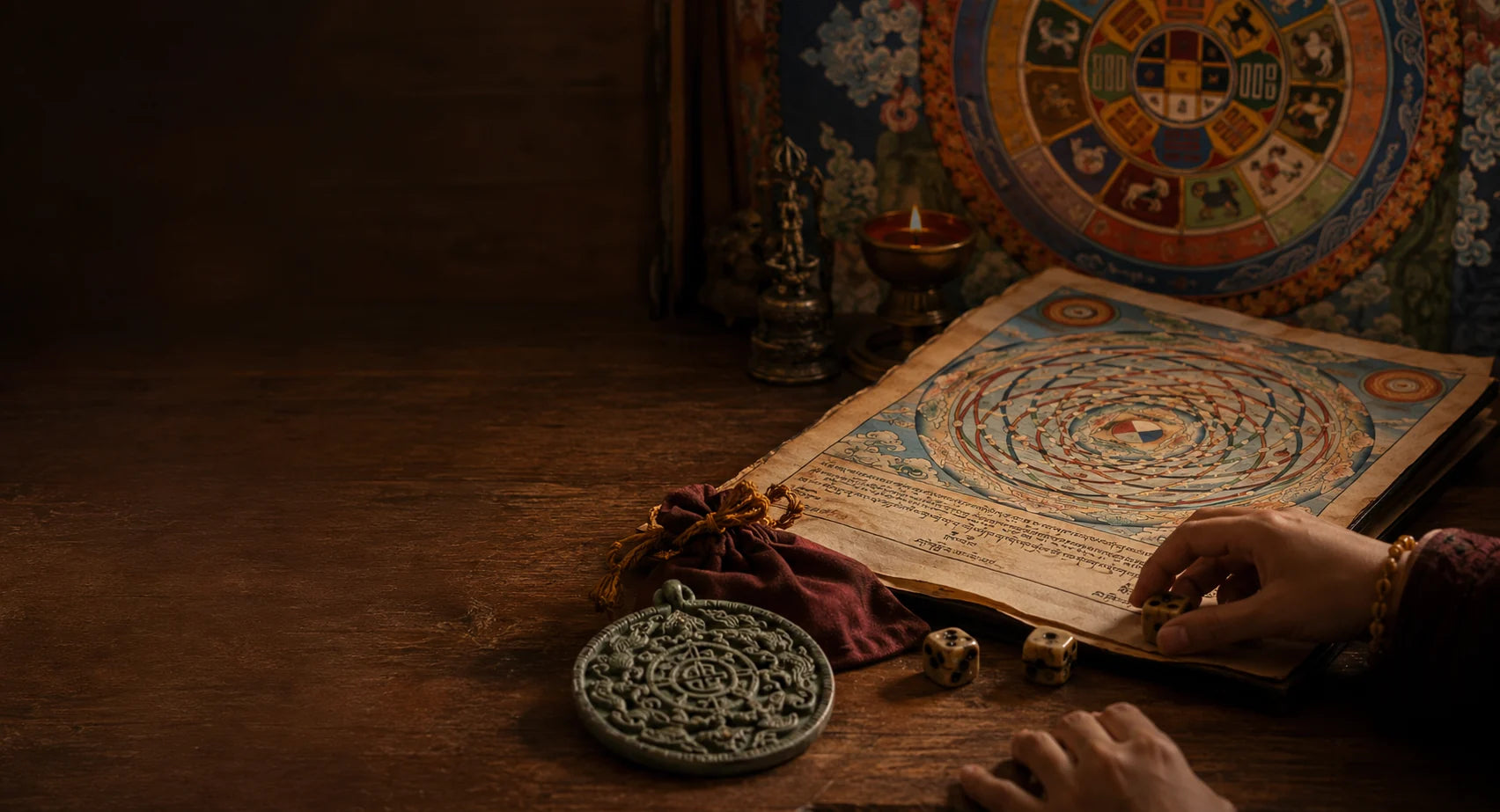

Tibetan culture is broader than any single religion, symbol, object, or image of the Himalayas. It has been shaped by regional communities, Tibetan Buddhism and Bön, language, pilgrimage, sacred geography, monasteries, visual art, ritual practice, oral traditions, music, clothing, food, pastoral life, trade, medicine, calendars, and living craft traditions.
This page is the central reading map for the Kailora Journal. Use it to move from one topic into its wider cultural context rather than treating Tibetan symbols and objects as isolated “spiritual meanings.”
What Is Tibetan Culture? A Quick Answer
A useful introduction begins with connected areas: symbols and sacred art, ritual objects and devotional practice, pilgrimage and sacred geography, monasteries, books and Buddhist learning, music, dance and storytelling, and everyday material culture such as clothing, food, trade and craft. These areas overlap, but they are not interchangeable.
Tibetan Culture Is Broader Than Tibetan Buddhism
Tibetan Buddhism has profoundly shaped Tibetan history, literature, architecture, pilgrimage, ritual, education and visual culture. But Tibetan culture also includes Bön traditions, regional identities, pastoralism, agriculture, foodways, family customs, craft, trade, medicine, music and secular forms of cultural life. Mount Kailash is sacred to several religious traditions, and objects such as chuba clothing or butter tea cannot be explained only through Buddhist doctrine.
Cultural accuracy therefore starts with a simple question: what kind of object, practice, artwork, place, or social setting are we actually looking at?
1. Symbols, Deities and Sacred Art
Meaning in Tibetan visual culture depends on context. The same motif can function differently in a thangka, sculpture, ritual object, textile, architectural setting, or contemporary design.
- Tibetan Prayer Flags — Lungta, wind horse and the five colors.
- Tibetan Wind Horse / Lungta — auspicious imagery and prayer-flag context.
- Tibetan Snow Lion — mythical lion imagery in art and culture.
- Eight Auspicious Symbols — the parasol, fish, vase, lotus, conch, endless knot, victory banner and Dharma wheel.
- Seven Symbols of Royal Power — a separate royal-emblem set that should not be confused with the Eight Auspicious Symbols.
- Wheel of Life / Bhavachakra — samsara, karma, the six realms and liberation.
- Vajra / Dorje — ritual and iconographic meaning.
- Vajra and Bell — the paired language of method and wisdom.
- Mudras — hand gestures in Buddhist art and ritual.
- Seed Syllables — bija, sacred script and visualization contexts.
- Thangka Painting — portable Tibetan Buddhist sacred painting.
- Giant Appliqué Thangkas — monumental textile sacred art displayed during festivals.
- Regong Arts — a living regional tradition of thangka, mural, sculpture and textile art.
- Tibetan Butter Sculpture — ephemeral ritual craft and festival display.
- Tibetan Buddhist Mandalas — sacred space, cosmology and ritual structure.
- Tsakali — portable sacred cards used in specific ritual contexts.
Important Buddhist Figures in Tibetan Art
- Chenrezig / Avalokiteshvara — compassion and the six-syllable mantra.
- Green Tara and White Tara — their roles and visual distinctions.
- Guru Rinpoche / Padmasambhava — early transmission and Tibetan Buddhist memory.
2. Ritual Objects, Offerings and Devotional Practice
Many Tibetan Buddhist objects were created to be held, sounded, turned, offered, carried, filled, or placed within sacred space. Their meaning comes from use as much as appearance.
- Tibetan Prayer Wheels — written mantra placed into motion.
- Om Mani Padme Hum — the six-syllable mantra associated with Chenrezig.
- 108 Mala Beads — mantra counting, use and cultural context.
- Why 108 Beads? — counting structure and traditional numerical context.
- 54 vs. 108 Mala Beads — how shorter and full-count formats differ.
- Seven Offering Bowls — water offerings, generosity and altar practice.
- Tibetan Butter Lamps — light offerings in devotional life and sacred art.
- Torma — a diverse family of Tibetan Buddhist ritual offerings.
- Sang Smoke Offerings — juniper, fumigation, offering and purification contexts.
- Tibetan Incense — juniper and Himalayan aromatic traditions.
- Tibetan Buddhist Home Shrine — images, scriptures, stupas and offerings in domestic sacred space.
- Ga’u Portable Amulet Box — a sacred container worn or carried close to the body.
- Tsa-Tsas — molded votive objects, merit, pilgrimage and sacred deposits.
- Statue Consecration — what may be placed inside Tibetan Buddhist sacred images.
- Buddhist Relics in Tibetan Culture — bodily, contact and Dharma relics, ringsel and reliquaries.
- Chorten / Stupa — sacred architecture, relics, memory and circumambulation.
- Phurba — the tantric ritual dagger or peg and its religious context.
- Damaru — the Tibetan Buddhist ritual hand drum.
- Kapala — the ritual skull cup without sensationalizing its tantric context.
- Kartika — the curved ritual knife in Tibetan Buddhist art and practice.
3. Pilgrimage and Sacred Geography
Sacred geography is created through relationships among place, story, memory, pilgrimage and repeated practice.
- Kora — circumambulation as religious movement through sacred space.
- Why Mount Kailash Is Sacred — Buddhist, Bön, Hindu and Jain sacred geographies.
- Tibetan Buddhist Sacred Geography — mountains, caves, monasteries, routes and holy sites.
- Mani Stones — carved mantras embedded in pilgrimage landscapes.
- Tibetan Buddhist Prostrations — embodied devotion, ngöndro and pilgrimage.
- Saga Dawa — sacred time, pilgrimage, generosity and intensified Buddhist practice.
4. Monasteries, Books and Buddhist Learning
Tibetan monasteries developed as places of ritual, residence, education, art, printing, debate, textual preservation and community life.
- Gompa — what happens inside a Tibetan Buddhist monastery.
- Four Schools of Tibetan Buddhism — Nyingma, Kagyu, Sakya and Gelug.
- Samye Monastery — why Tibet’s first fully established monastery matters.
- Tibetan Monastic Debate — reasoning, questioning and the famous clapping gesture.
- Nechung Oracle — a specific historical Tibetan Buddhist oracle institution.
- Pecha — the long horizontal Tibetan book format.
- Kangyur and Tengyur — the Tibetan Buddhist canonical collections.
- Traditional Tibetan Paper — Himalayan plants, craft and manuscript culture.
- Tibetan Woodblock Printing — how texts and images were reproduced and circulated.
5. Music, Dance and Storytelling
Sound and performance carry Tibetan cultural knowledge through ritual, oral memory, festival and community gathering.
- Cham Dance — masked Buddhist ritual dance, music and costume.
- Dungchen — the Tibetan Buddhist long horn.
- Dung-Dkar — the ritual conch shell.
- Gyaling — the Tibetan Buddhist double-reed ritual instrument.
- Kangling — the ritual trumpet and its Chöd context.
- Lama Mani Storytellers — portable sacred images and oral Buddhist storytelling.
- Tibetan Opera — masks, song, dance and narrative performance.
- Epic of King Gesar — storytelling, memory and living oral heritage.
- “Tibetan Singing Bowls” — evidence-based history, modern meditation and origin myths.
6. Clothing, Food, Trade and Material Culture
Tibetan culture is also lived through robes, aprons, textiles, bowls, tents, jewelry, tea, barley, pastoral animals and trade routes.
Clothing and Textiles
- Chuba — Tibetan robes, regional dress and textile history.
- Pangden — the Tibetan striped apron and women’s dress.
- Khata — ceremonial presentation scarf, greeting and offering.
- Tibetan Brocade — silk, pattern and ceremonial textile culture.
- Tibetan Weaving — wool, yak hair and traditional textile craft.
- Tibetan Carpet Weaving — wool, knots, motifs and everyday use.
- Tibetan Knotting — braided cords, functional knots and contemporary jewelry craft.
Jewelry and Materials
- Jewelry with Traditional Tibetan Dress — turquoise, silver and personal adornment.
- Turquoise in Tibetan Culture — adornment, prayer beads and material meaning.
- Coral in Tibetan Jewelry — trade, adornment and Himalayan material culture.
- Tibetan Amber — history, jewelry and trade.
- Yak Bone in Tibetan Material Culture — everyday material use, beads and contemporary jewelry.
Food, Pastoral Life and Trade
- Tibetan Yak-Hair Tent — mobile pastoral architecture.
- Yak Culture — dairy, fiber, transport, fuel and pastoral livelihoods.
- Tsampa — barley, butter tea and everyday Tibetan food culture.
- Tibetan Butter Tea / Po Cha — dairy, hospitality and household foodways.
- Traditional Tibetan Bowls — wood, silver, tea and everyday material culture.
- Tea Horse Road — how tea, trade and culture moved across the plateau.
7. Festivals, Calendars and Knowledge Traditions
- Losar — Tibetan New Year, food, family and household preparation.
- Shoton — yogurt, opera and summer festival traditions.
- Tibetan Zodiac — twelve animals, five elements and the sixty-year calendar.
- Tibetan Astrology — elemental calculation, charts, mewa, parkha and calendrical traditions.
- Sowa Rigpa — a Tibetan and Himalayan medical knowledge tradition.
Traditional Meaning vs. Modern Interpretation
Kailora separates documented Tibetan and Himalayan cultural context from contemporary personal or design interpretation.
| Traditional or documented context | Modern interpretation |
|---|---|
| Historical, religious, artistic, social or material meanings supported by cultural context. | A contemporary reflection, personal association or Kailora design framework. |
| May involve a specific ritual, lineage, community, region or historical period. | May use words such as grounding, clarity, balance or intention when clearly labeled as contemporary. |
| Should not be rewritten simply to fit modern wellness marketing. | Should not be presented as ancient Tibetan doctrine or as a guaranteed medical, financial or supernatural effect. |
Where Should a Beginner Start?
- For symbols, start with the Eight Auspicious Symbols.
- For mantra and ritual objects, start with the Prayer Wheel.
- For sacred art, start with Thangka Painting.
- For pilgrimage, start with Kora.
- For monastic life, start with Gompa.
- For everyday culture, start with Chuba, Butter Tea, or Yak Culture.
Frequently Asked Questions
Is Tibetan culture the same as Tibetan Buddhism?
No. Tibetan Buddhism is deeply important to Tibetan history and culture, but Tibetan culture also includes Bön traditions, language, regional communities, clothing, craft, music, literature, foodways, pastoralism, trade, medicine, festivals and social customs.
Are all Tibetan symbols Buddhist?
No. Some are specifically Buddhist, some belong to broader Tibetan or Himalayan cultural settings, and others have histories across multiple traditions. Context matters.
What is the best way to learn about Tibetan culture?
Start with a specific object, practice, artwork, place or social tradition, then connect it to its wider historical and regional context. Avoid treating every symbol as a universal spiritual keyword.
Does Kailora treat modern energy meanings as traditional Tibetan doctrine?
No. Kailora keeps contemporary intention language separate from documented Tibetan Buddhist and cultural meanings.
Can sacred Tibetan forms inspire contemporary design?
Yes, but modern interpretation should be described honestly, sacred objects should not be reduced to decoration, and contemporary design should not claim ritual authority it does not have.
Continue Exploring
This guide is a reading map rather than a final definition. Tibetan culture is better understood one connected subject at a time—one object, ritual, artwork, pilgrimage route, text, textile, foodway, instrument, story or festival—while keeping each subject connected to the people and contexts that give it meaning.
For jewelry-specific context, continue with Tibetan Jewelry: History, Symbols & Materials. To see how Kailora translates cultural research into contemporary design, explore Kailora’s Tibetan-inspired jewelry collection.