





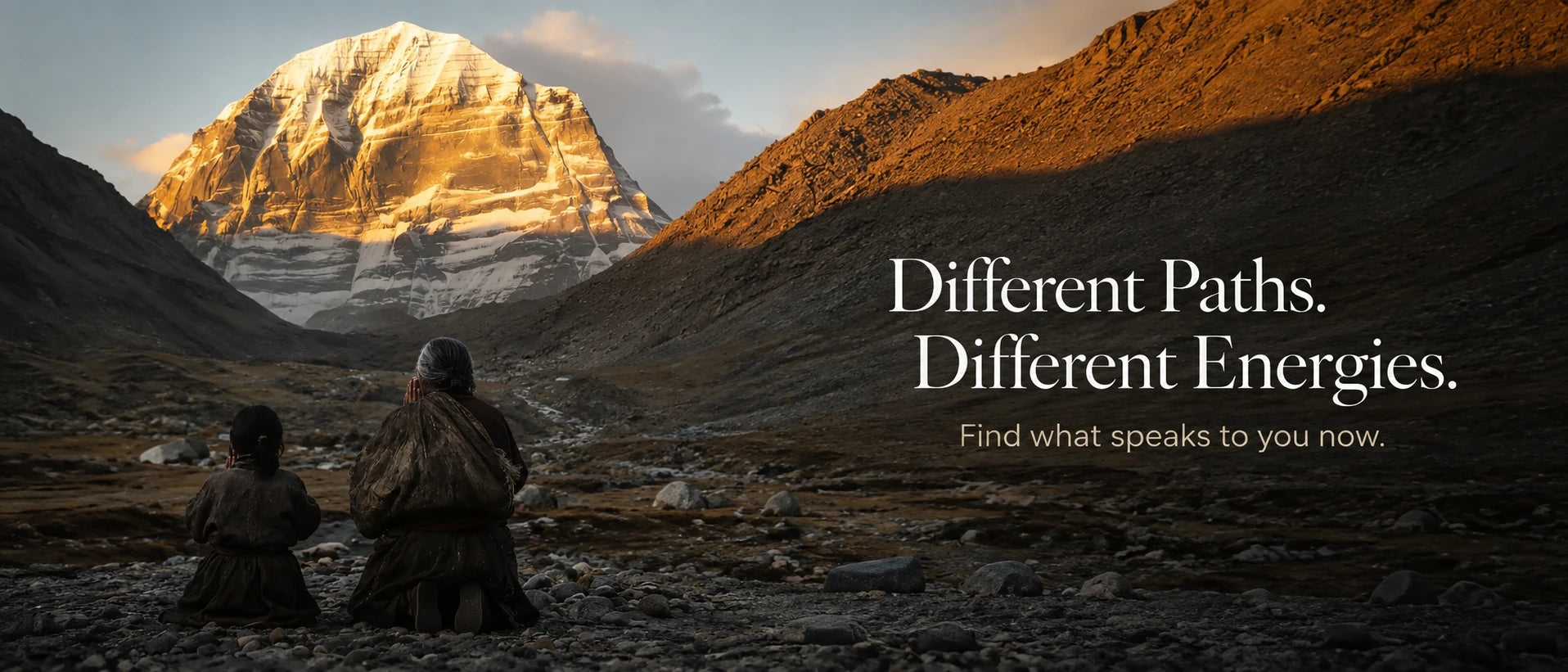

At dawn in a Himalayan valley, smoke may rise from a small outdoor hearth before the day's work has fully begun.
Juniper branches or other fragrant substances burn slowly. The smoke moves with the wind, crossing rooftops, paths, monasteries, mountain slopes, animals, and people.
In Tibetan cultural contexts, one important family of practices involving fragrant smoke is known as sang.
It is tempting to translate this immediately as “Tibetan smudging” or “energy cleansing.” That shortcut is culturally misleading. Tibetan bsang belongs to its own historical world of fumigation, offering, purification, relationships with local environments and nonhuman beings, Buddhist ritual, Bön practice, and regional custom.
Quick Answer
Sang (Tibetan bsang) refers to Tibetan fumigation and smoke-offering practices in which fragrant substances such as juniper are burned. Depending on the context, sang can involve offering, purification, local landscape traditions, Buddhist liturgy, Bön practice, and community custom. It is not accurately defined as generic “smudging” or scientifically proven energy cleansing.
What Does Sang Mean?
The Tibetan term often transliterated as sang or bsang refers to fumigation or smoke-offering practices involving the burning of fragrant substances.
The practice appears in Tibetan Buddhist, Bön, lay, and regional settings. Because of that breadth, “sang” should not be treated as the name of one single fixed liturgy performed identically throughout Tibet.
Is Sang the Same as Incense?
Not exactly.
Incense is a broad category of aromatic material burned for fragrance, offering, ritual, or atmosphere across many cultures. Sang is a more specific Tibetan cultural and ritual category of fumigation and smoke offering.
The materials can overlap. Juniper, aromatic woods, herbs, or prepared substances may be burned in both incense and sang contexts. But similarity of material does not make the practices identical.
Calling every stick of Tibetan incense “sang” would therefore be as inaccurate as calling every candle a butter lamp. For the broader aromatic tradition, see Tibetan Incense, Juniper, and Himalayan Aromatics.
Why Is Juniper Commonly Used?
Juniper grows across many high-altitude Himalayan environments and has long been valued for its fragrance when burned.
Its availability helped make it an important material in Tibetan fumigation practices. Historical and ethnographic accounts describe juniper smoke in ritual, household, pilgrimage, and environmental contexts.
But juniper should not be romanticized as a plant containing a scientifically proven “high vibration.” Its significance is cultural, ecological, sensory, and religious—not a measurable frequency claim.
Is Sang Buddhist, Bön, or Older Than Both?
This is a question where simple answers create historical problems.
Fumigation practices in Tibet and Inner Asia cannot be reduced to a single moment of Buddhist invention. Different sang traditions have been incorporated into Buddhist liturgies, Bön practices, local protective rites, household customs, and regional religious life.
It is therefore more accurate to say that sang belongs to a long Tibetan and Inner Asian history of fumigation that has been interpreted and systematized in multiple religious frameworks.
What Is Smoke Being Offered To?
The answer depends on the ritual.
In Buddhist sang texts, fragrant smoke may be imagined or consecrated as vast offerings directed toward enlightened beings as well as classes of worldly beings. Other contexts emphasize local deities, spirits, land-related beings, protectors, or the restoration of relationships disturbed by human activity.
Different masters and communities preserve different texts and purposes. This is another reason not to describe sang simply as “burn juniper to cleanse your aura.”
What Does Purification Mean in Sang?
The word “purification” needs context.
In Tibetan ritual language, purification can involve clearing ritual pollution, restoring harmony, repairing disturbed relationships, removing obstacles, or creating suitable conditions for offering and practice.
These concepts exist within religious cosmologies and ethical worlds. They are not identical to the modern wellness idea of removing an invisible measurable substance called “negative energy” from a room.
Where Is Sang Traditionally Performed?
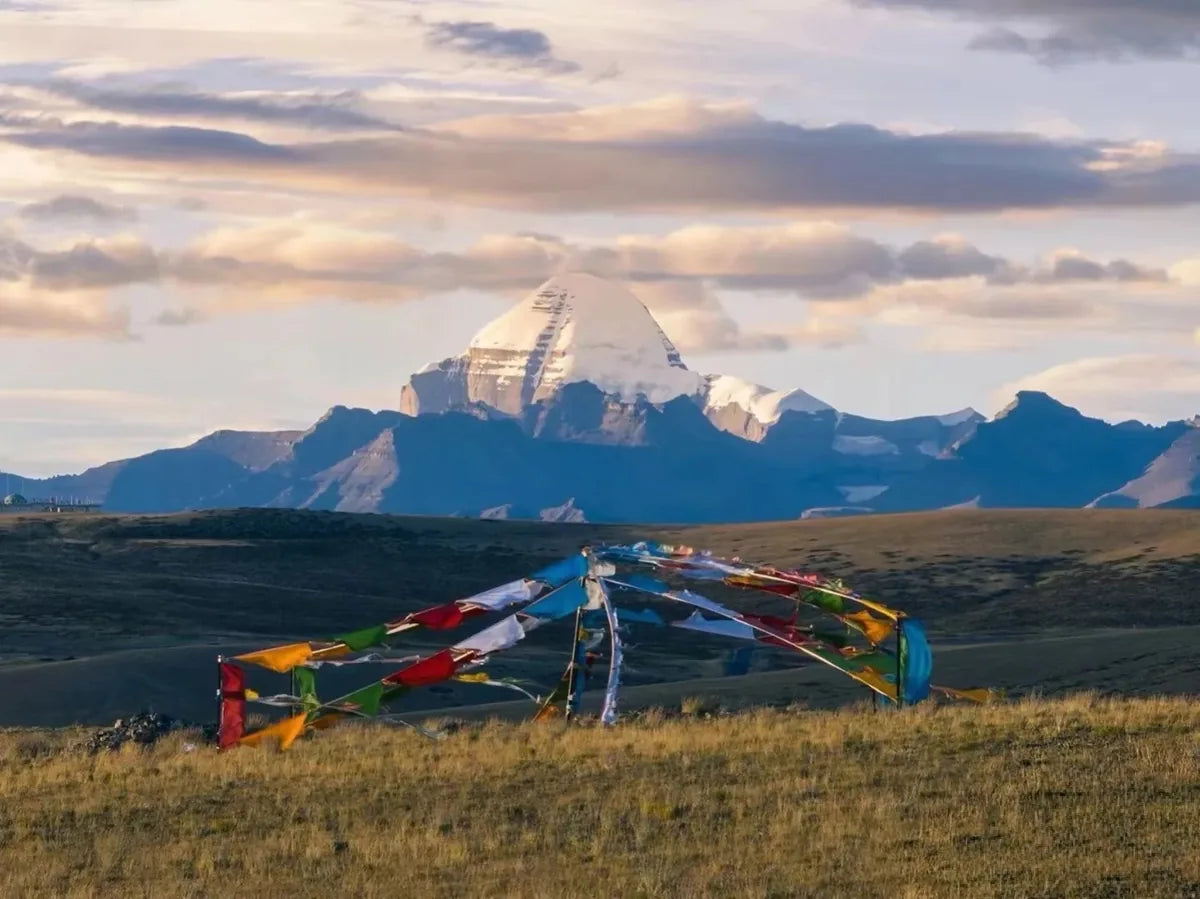
Sang may be performed outdoors near homes, monasteries, pilgrimage sites, mountain passes, sacred landscapes, and communal ritual locations. The rising smoke makes the practice particularly visible in open-air environments.
This relationship to place connects sang with other forms of Tibetan religious landscape such as kora, Mani stones, prayer flags, and chortens. For the larger framework in which mountains, routes, monasteries, caves, and ritual practices become connected, see Tibetan Buddhist sacred geography.
Is Riwo Sangchö the Same as Every Sang Offering?
No.
Riwo Sangchö is a well-known Buddhist smoke-offering practice associated with particular Tibetan liturgical traditions. It is one important member of a larger family of sang practices rather than a universal ceremony identical across Tibet.
For cultural education, Kailora describes the public historical context but does not publish step-by-step tantric or lineage-specific ritual instructions.
Is Sang the Same as Smudging?
No.
“Smudging” is commonly used in English for particular Indigenous North American ceremonial practices involving smoke. Applying that word to Tibetan sang collapses distinct cultural histories into one generic wellness category.
Both may involve aromatic smoke. That superficial resemblance is not enough to make them the same practice. Using the Tibetan term sang and explaining its context is more respectful and more accurate.
Can Burning Tibetan Incense Automatically Clear Negative Energy?
That is not a claim Kailora presents as traditional fact.
Fragrant smoke can change how a space smells and feels. Ritual smoke can carry powerful religious meaning for practitioners. Personal sensory experience can also affect mood and attention.
But those observations are different from claiming scientific proof that juniper smoke removes a measurable “negative energy field.” Traditional Tibetan concepts should be described through their own religious language rather than rewritten as product-performance promises.
How Does Sang Relate to Buddhist Offerings?
Sang belongs to a broader Tibetan culture of giving and offering.
Our articles on butter lamps, offering bowls, and torma show that Buddhist offerings can involve light, water, food-like forms, fragrance, sound, imagery, and other materials.
Each has its own ritual history. “Offering” is the wider category; sang is one distinctive smoke-based expression within Tibetan contexts.
Traditional Context vs. Modern Wellness Language
Traditional Cultural Context
Sang refers to Tibetan fumigation and smoke-offering traditions. Depending on context, they can involve fragrant plants such as juniper, purification, offerings, relationships with local beings and landscapes, Buddhist liturgy, Bön practice, and community custom.
Modern Wellness Language
Contemporary descriptions may call sang “Tibetan smudging,” “aura cleansing,” “vibration raising,” or a universal technique for removing negative energy.
Those phrases flatten distinct histories and should not be presented as traditional definitions.
Kailora's Contemporary Reflection: Clearing Space Without Erasing Context
Smoke changes a space, then disappears.
That fleeting quality can inspire a modern reflection, but it should not replace the ritual tradition from which sang comes.
What can we clear from our lives without clearing away the history and meaning of the practices that inspire us?
This is Kailora's contemporary reflection, not Tibetan Buddhist or Bön doctrine.
Frequently Asked Questions
What is Tibetan sang?
Sang is a Tibetan term for fumigation or smoke-offering practices involving fragrant substances such as juniper. Specific rituals vary across Buddhist, Bön, lay, and regional contexts.
Is sang the same as Tibetan incense?
No. Incense is a broad category of aromatic material. Sang is a particular family of Tibetan smoke-offering and fumigation practices, although some materials may overlap.
Why is juniper burned in Tibet?
Juniper is locally available in many Himalayan environments, produces fragrant smoke, and has long been used in Tibetan fumigation and offering traditions.
Is Riwo Sangchö a sang practice?
Yes. Riwo Sangchö is a well-known Buddhist smoke-offering liturgy, but it is one specific tradition and should not be treated as identical to every form of sang.
Is sang the same as smudging?
No. The practices arise from different cultural histories. Using “smudging” as a generic label for Tibetan sang is misleading.
Does sang remove negative energy?
Traditional sources discuss purification and offering in religious terms. Modern “negative energy clearing” language should not be substituted for those concepts or presented as a scientifically verified effect.
Editorial Note: Kailora distinguishes documented Tibetan and Himalayan traditions from contemporary interpretation. Sang practices vary by religious tradition, lineage, community, place, and ritual text.
For a wider view of Tibetan ritual, sacred landscape, offerings, and material culture, continue with the Kailora Tibetan Culture Guide.