



01
LIVING METALWORK
The form begins in the hands of the artisan.
Traditional tools, heat and repeated shaping allow metal to move gradually from raw material toward wearable form.

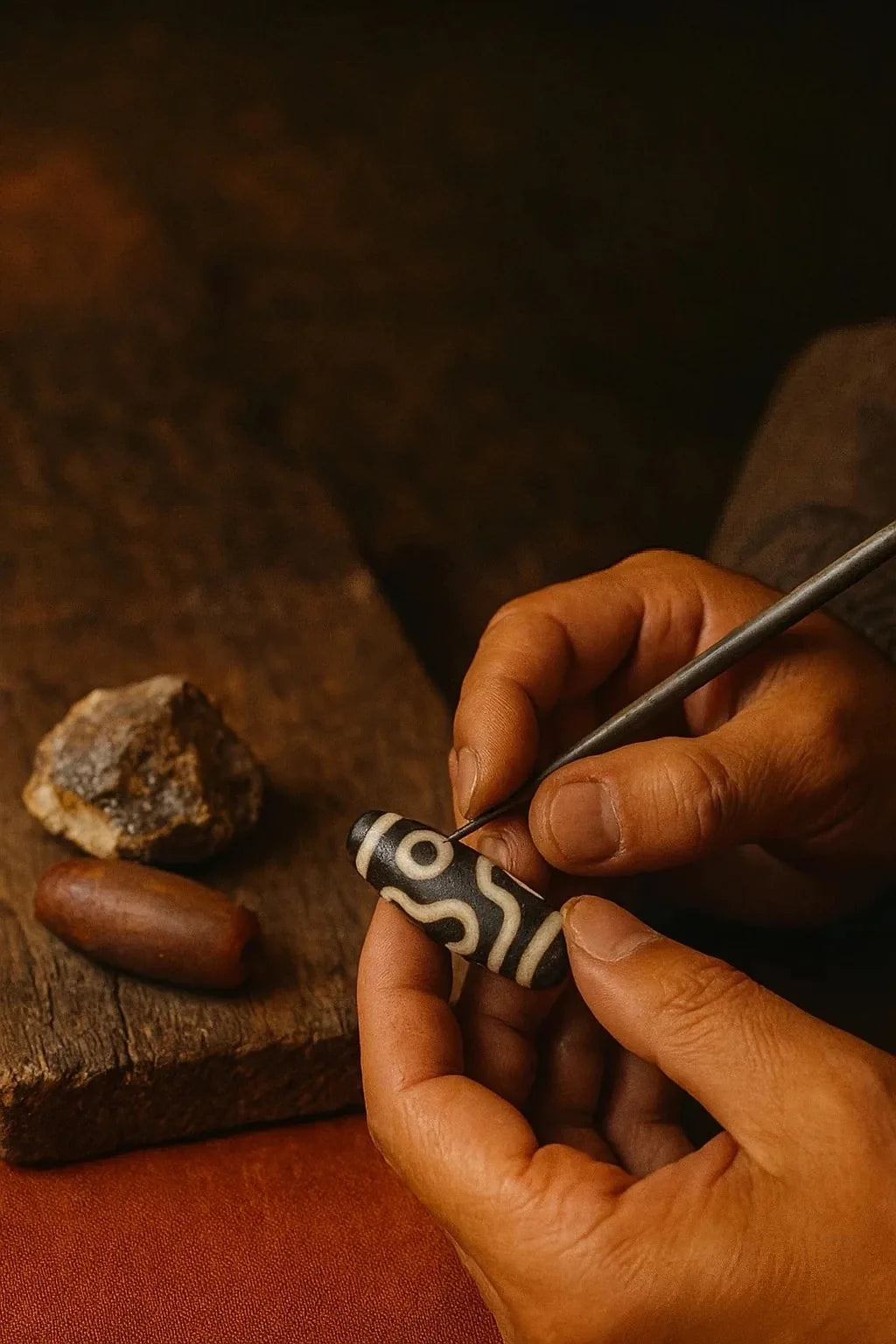
Material, symbol and human touch — carried into everyday life.
Discover Our Craft →Take a short quiz and discover which inner journey speaks to you now.
Take the Intention Quiz → Different Paths.
Explore your birth-year animal, elemental pattern and current Energy Path through a reflective experience inspired by Tibetan and Himalayan traditions.
Begin Your Reading →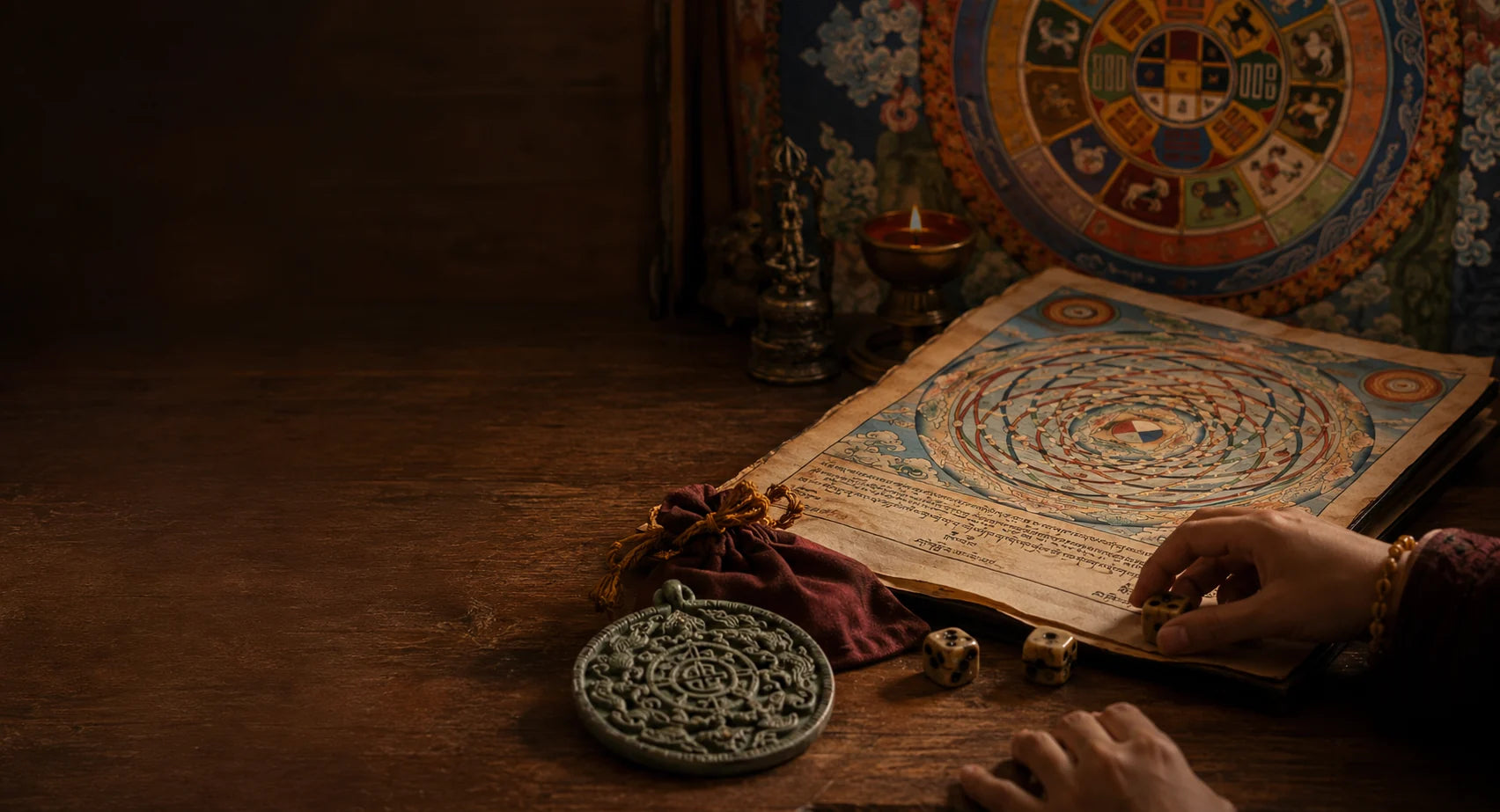 Ancient references.
Jewelry as Ritual
Tibetan-Inspired Silver JewelryExplore Kailora silver and silver-tone jewelry, including rings, earrings, pendants, charms, and metal-accented pieces designed wit...


Kailora Collection Guide
Explore Kailora silver and silver-tone jewelry, including rings, earrings, pendants, charms, and metal-accented pieces designed within a Tibetan-inspired visual language. Silver has a long history in Tibetan and Himalayan material culture, where it may appear in jewelry, belts, amulet boxes, vessels, and settings for stones such as turquoise.
Modern shoppers should distinguish historic silverwork from the commercial phrase “Tibetan silver,” which does not by itself guarantee a specific silver purity. Read Tibetan Silver Jewelry: Meaning, Materials & What to Look For before buying. For historical adornment context, see Jewelry with Traditional Tibetan Dress.
Choose a piece by disclosed metal composition, construction, finish, stone or bead pairing, and the way it feels with your daily wardrobe. Kailora’s contemporary jewelry draws from Tibetan-inspired texture, form, and symbolic design without claiming that every piece reproduces a specific historic object or carries guaranteed spiritual effects.
Engraved patterns, spinner movement, repeated motifs, and aged or polished metal finishes create the visual character of the collection.
Choose by product form and symbol, then verify whether the specific design uses S925 silver, another stated metal, or a mixed-material construction.
Customers seeking Tibetan-inspired silver jewelry, mantra spinner rings, detailed pendants, or symbolic metalwork.
Not necessarily. Metal specifications vary by design. Check the product page for the exact silver or metal description before ordering.
Keep the piece dry, avoid perfume and chemicals, and store it separately. Use care methods appropriate to the exact metal stated on the product page.
Yes. Intention-based jewelry works well as a meaningful gift because each piece carries a clear emotional message and wearable reminder.
It is a modern ring inspired by repeated mantra or prayer-wheel movement. The moving band can serve as a tactile reminder for focus and reflection.
No. Kailora jewelry is symbolic, intention-based jewelry. It is designed as a meaningful wearable reminder, not as medical treatment, a guaranteed spiritual result, or a promise of protection or wealth.
Review the product photos, size, material notes, shipping estimate, and return policy before checkout. Orders are prepared with care, shipped with tracking when available, and eligible unworn items can be requested for return within 30 days.
Intention Guide
This collection brings mantra-inspired rings, pendants, earrings, and symbolic metal details into practical daily jewelry. Product pages identify the actual metal or silver specification for each design.
Customers seeking Tibetan-inspired silver jewelry, mantra spinner rings, detailed pendants, or symbolic metalwork.
Choose the symbol first, then confirm the metal specification.
CRAFT · TIBETAN METALWORK
Kailora’s jewelry designers specialize in Tibetan-inspired jewelry design and work with artisans from Tibetan regions to bring the language of traditional metalwork into modern wearable forms.
Metal does not become jewelry all at once. It is shaped through heat, pressure, repeated tool marks and countless small decisions made by hand. Hammering, engraving, joining and finishing gradually give the material its structure, surface and character.
Traditional tools, heat and repeated shaping allow metal to move gradually from raw material toward wearable form.

Small variations in hammering, engraving and finishing are part of the handwork, leaving subtle traces of how the object was made.

Metal begins in resistance.
Heat and repeated handwork gradually move the material toward the structure required by the design.

Detail is built one strike at a time.
Lines, texture and decorative elements emerge slowly through engraving, chasing and controlled toolwork.

Separate elements become one form.
Heat and careful assembly connect individual components while preserving the structure and detail of the piece.
Finishing is part of the making.
Edges, texture, connections and surface are refined before the piece is considered complete.
The marks left by hand are more than evidence of process. They are part of what connects a finished object to the people and traditions behind its making.
By carrying these forms into contemporary jewelry, Kailora hopes to create a connection that can move with the wearer — from Tibetan craft traditions into everyday life.
Made in collaboration.
Worn as connection.