




Quick answer: “Tibetan incense” can refer to several related but distinct practices: prepared incense sticks or powders, aromatic substances burned in homes or monasteries, and plant materials such as juniper used in smoke offerings. There is no single Tibetan incense recipe, and incense should not be treated as identical to sang, a specific smoke-offering practice.
Understanding the difference between material, fragrance, and ritual context prevents one of the most common online simplifications: turning every Himalayan aromatic into the same spiritual product.
What Is Tibetan Incense?
In the broadest sense, Tibetan incense is aromatic material prepared or burned in Tibetan cultural and religious settings. Modern products may take the form of hand-rolled sticks without a bamboo core, loose powders, compressed mixtures, or plant material burned directly in a burner.
Ingredients differ by maker and purpose. Juniper is especially visible in Tibetan and Himalayan offering traditions, while other formulas may combine woods, resins, roots, herbs, and spices. A commercial package labeled “Tibetan incense” therefore tells us less than the maker, formula, place, and intended use.
Why Is Juniper So Closely Associated with Tibetan Aromatic Culture?
Juniper grows across parts of the Himalayan and Tibetan highlands and is documented as an aromatic offering material. Burning branches creates a strong, clean-smelling smoke that can be seen in outdoor burners, pilgrimage areas, monasteries, and household-related practices.
But “juniper is used” should not become “all Tibetan incense is juniper.” Prepared incense formulas can be much more complex, and local plant availability varies.
Is Tibetan Incense the Same as Sang?
No. Sang is a smoke-offering practice in which fragrant substances—often including juniper—are burned as an offering and for purification in particular cultural and religious contexts. Tibetan incense is a broader material category.
A useful way to remember the distinction is this: incense describes an aromatic material or product; sang describes a practice. They can overlap, but one does not automatically equal the other.
Where Is Incense Burned?
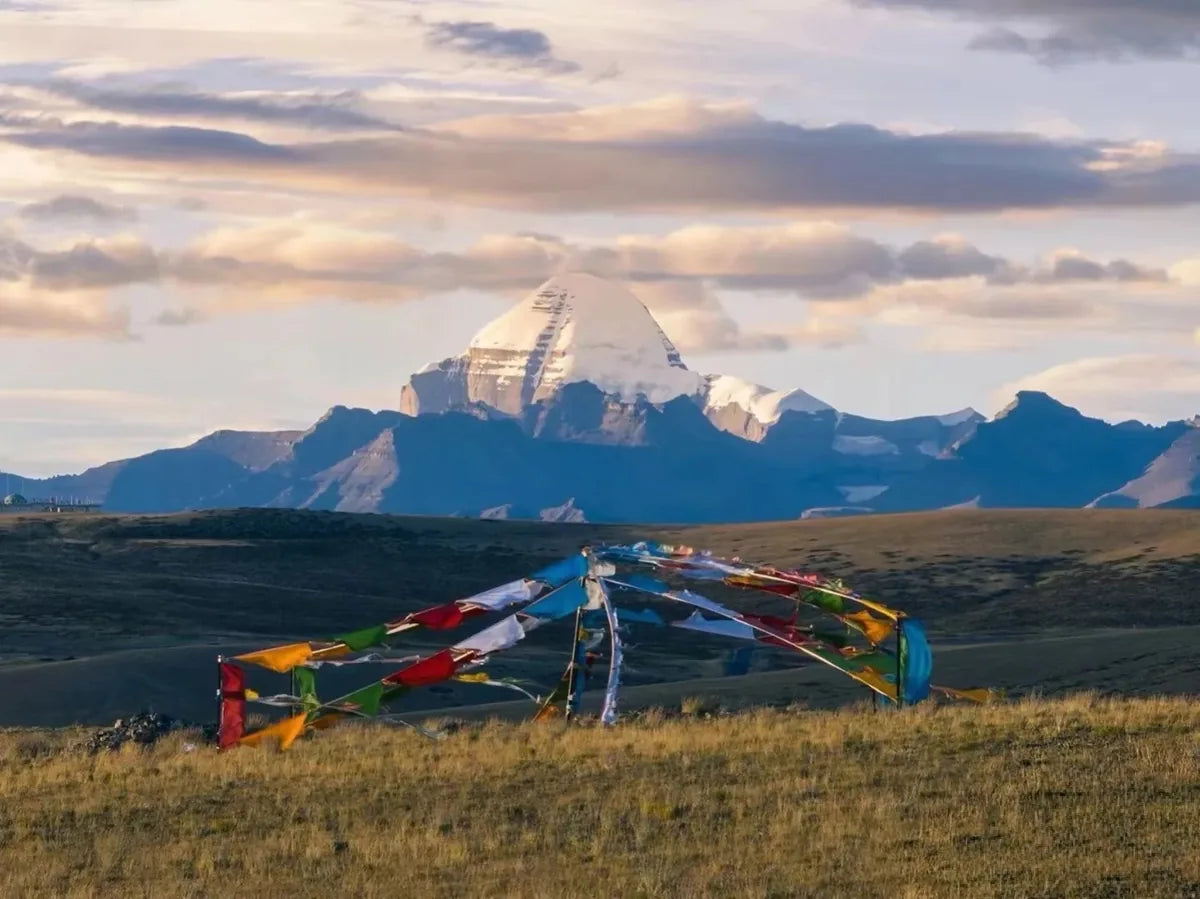
Incense appears in both religious and domestic environments. Museum reconstructions and object records document incense in Tibetan Buddhist shrine rooms and household devotional spaces. Outdoor burners are also common around sacred sites, where smoke can become part of a larger environment of circumambulation, offerings, prayer flags, and pilgrimage.
For home context, see What Is a Tibetan Buddhist Shrine?.
Does Incense Always Have a Religious Purpose?
Not necessarily. Fragrance can be devotional, medicinal in a traditional-formulation context, domestic, social, or simply sensory. The same aromatic ingredient can participate in different practices. A juniper branch burned in a formal offering should not be interpreted exactly like a commercial incense stick lit for fragrance.
What Is Tibetan Incense Made From?
There is no universal ingredient list. Depending on the formula, makers may use combinations of aromatic woods, resins, herbs, roots, spices, and highland plants. Some recipes are associated with monasteries or medical traditions; others are household or commercial products. Ingredient disclosure matters because modern buyers may have allergies, sensitivities, or environmental concerns.
Claims such as “this ancient recipe has 108 herbs” should be verified product by product rather than repeated as a generic fact about Tibetan incense.
Incense Burners as Material Culture
The burner itself is also part of the story. Tibetan and Himalayan collections preserve metal censers and document larger outdoor structures used for fragrant smoke. Their form depends on scale and context: a small shrine-room vessel is materially different from a large outdoor burner receiving branches and loose plant material.
How Has Tibetan Incense Changed?
Contemporary incense makers work within changing supply chains, environmental rules, urban markets, tourism, diaspora communities, and global wellness culture. Some preserve family or institutional recipes; others create new blends for export. “Traditional” and “commercial” are not always opposites, but buyers should resist assuming that every product sold with Himalayan imagery has documented Tibetan provenance.
A Contemporary Kailora Lens
Kailora is interested in the idea of scent as a cue for attention and transition. That is a contemporary ritual-living interpretation, not a claim that Tibetan incense historically corresponds to Kailora’s Protection & Grounding category.

Frequently Asked Questions
Does Tibetan incense contain a bamboo stick?
Many familiar Tibetan-style incense sticks are formed without a central bamboo splint, but product construction varies. Check the specific maker rather than treating this as an absolute rule.
Is all Tibetan incense Buddhist?
No. Incense can appear in Buddhist contexts, but aromatic practices also intersect with local, household, medical, and broader Himalayan traditions.
Is juniper incense the same as a sang offering?
No. Juniper may be used in sang, but the offering practice includes intention, context, and procedure beyond the plant material itself.