

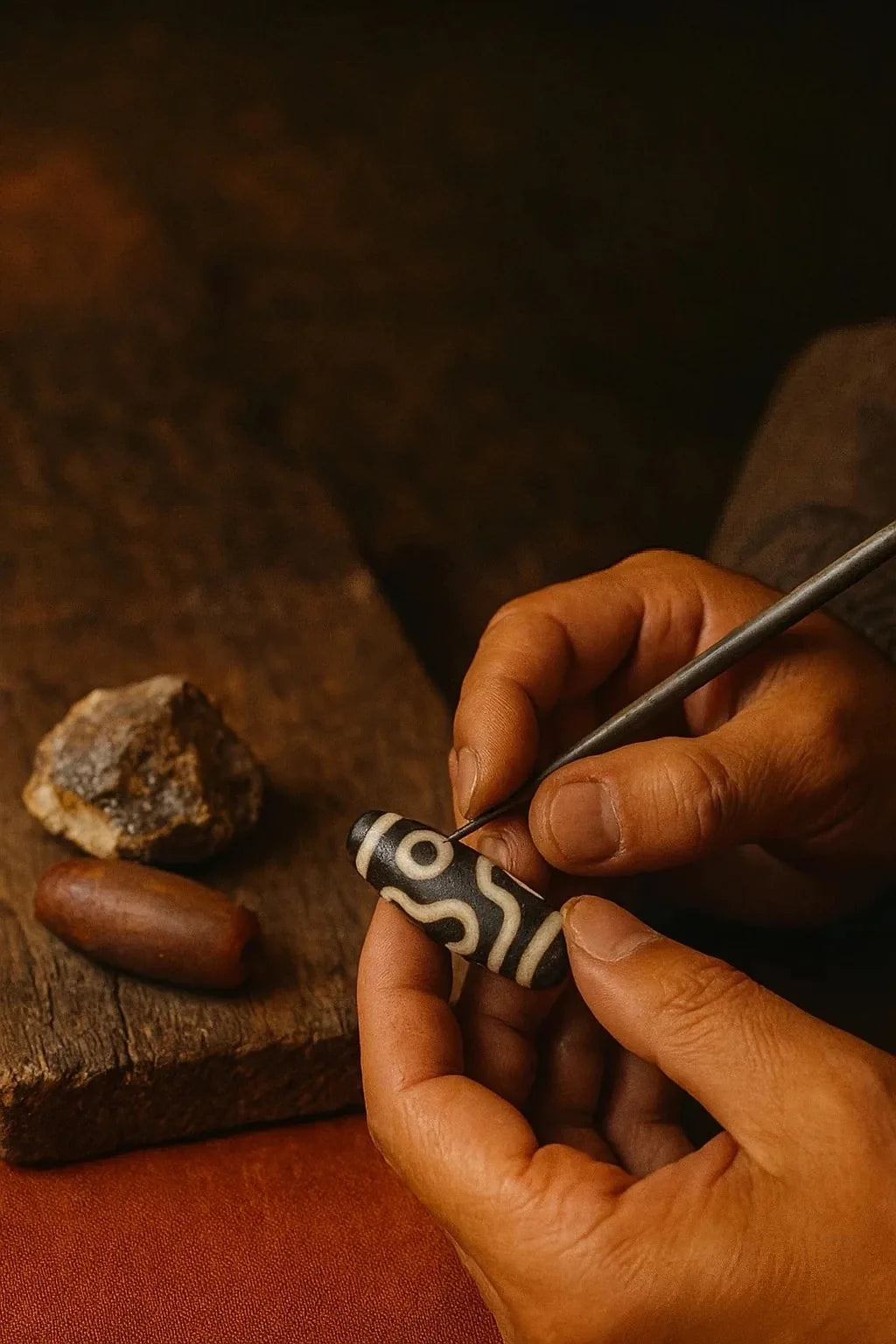



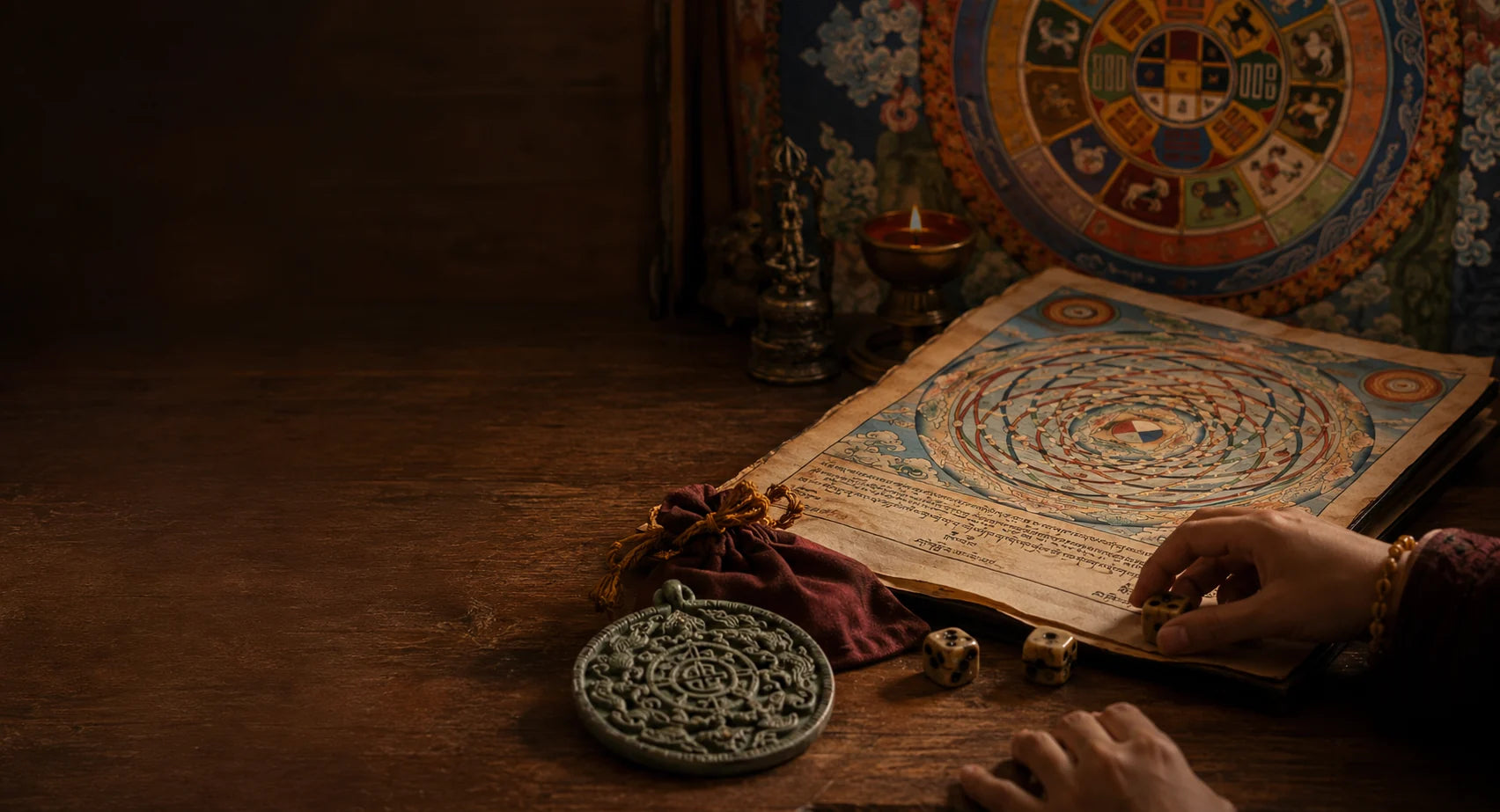

A Tibetan Buddhist shrine can be as modest as a small shelf or as elaborate as an entire room filled with paintings, sculptures, scriptures, lamps, offerings, and ritual objects.
What makes it a shrine is not a particular decorating style. It is a space organized for religious presence and practice.
Quick Answer
A Tibetan Buddhist home shrine is a dedicated sacred space that can include religious images, scriptures, stupas, offering bowls, lamps, incense, thangkas, and other ritual objects. One useful traditional framework understands key shrine elements through the Buddha’s body, speech, and mind: images, scriptures, and stupas. Actual shrine arrangements vary by lineage, household, region, and practice.
What Is a Tibetan Buddhist Home Shrine?
A home shrine is a dedicated sacred space within a household. It can contain images of buddhas, bodhisattvas, teachers, or deities; scriptures; stupas; offering vessels; lamps; incense; thangkas; and other objects used in devotional or ritual life.
These objects are not simply collected for visual atmosphere. They are displayed and used within living religious practice.
The Tibetan term chosham can refer to a shrine cabinet, but shrines do not have to take one identical cabinet form. Scale and architecture vary from household to household.
What Do Body, Speech, and Mind Mean on a Shrine?
A useful traditional framework organizes three central categories:
- Body: images of buddhas, bodhisattvas, deities, and teachers.
- Speech: books and scriptures embodying Buddhist teachings.
- Mind: stupas, associated with the Buddha's enlightened mind or presence.
This should not be turned into a rigid rule that every household must possess the same number or type of objects. It is a conceptual framework for understanding why image, text, and stupa are so prominent in Tibetan Buddhist sacred space.
Buddha and Deity Images
Sculptures and paintings give visible form to figures central to Buddhist devotion and practice. Depending on the household and lineage, a shrine might include Shakyamuni Buddha, Chenrezig, Tara, Padmasambhava, lineage teachers, or other figures.
The specific selection matters. Household shrine contents can reflect the Buddhist tradition, lineage transmissions, and practices of the family.
A Buddhist statue should also not be understood only as a finished sculpture. In Tibetan Buddhist contexts, sacred images may be filled with texts, mantras, relic-related materials, or other prepared contents and ritually consecrated. See How Are Tibetan Buddhist Statues Consecrated? for that separate process.
Buddhist Scriptures and Pecha
Texts occupy an important place because Buddhist scripture represents the Buddha's speech.
Traditional Tibetan books are often made in a long, loose-leaf format commonly called pecha. A scripture on a shrine is not merely a decorative antique book. Its religious identity comes from the teachings it contains and the ways practitioners relate to those teachings.
This relationship between text and material form connects with Tibetan woodblock printing, a technology that enabled Buddhist texts to circulate on a much larger scale.
Stupas and Sacred Deposits
Small stupas can represent the Buddha's mind within a shrine. They also connect the home to the larger architectural tradition of the Tibetan chorten.
Like monumental stupas, small religious stupas can contain sacred or consecrated materials. For the wider subject of relics and sacred deposits, see Buddhist Relics in Tibetan Culture.
Offering Bowls
Rows of bowls are among the most recognizable elements of Tibetan Buddhist altars. Water offerings are widespread, but the arrangement and interpretation should not be reduced to one universal formula.
Our detailed article on seven offering bowls explains why sets of bowls appear so often and why “seven” should not be treated as the only possible offering arrangement.
Butter Lamps
Light is another common offering. Traditional butter lamps may be placed before sacred images, texts, and other shrine objects.
The practice centers on offering light and can be associated with wisdom and illumination. Read What Are Tibetan Butter Lamps? for the full cultural context.
Incense, Sang, and Other Offerings
Fragrance, food, flowers, water, and ritual offerings can all appear in shrine contexts. Some practices are simple and widely shared; others belong to particular liturgies and lineages.
A torma, for example, is not simply “altar food.” It belongs to a broad family of Tibetan ritual forms with context-specific roles.
Likewise, smoke offerings such as sang should not be collapsed into generic aromatherapy or “energy cleansing.”
Thangkas and Sacred Images
Thangkas may be displayed in shrine spaces, but they are not decorative posters in their traditional context. They can present buddhas, teachers, mandalas, narrative scenes, and complex iconographic programs connected with teaching and practice.
A shrine brings such images into a larger material relationship with text, offering, light, and ritual space.
Are All Tibetan Buddhist Shrines Arranged the Same Way?
No.
This is one of the most important points in the article. Household shrine contents can depend on the Buddhist tradition practiced by the family and reflect specific teachings, lineage transmissions, and practices.
Regional materials, family history, economic circumstances, household size, and available objects also shape what a shrine looks like. A museum reconstruction can help explain the tradition, but it should not be mistaken for a mandatory floor plan for every Tibetan home.
Home Shrine vs. Monastery Shrine
Both are sacred spaces, but they operate at different scales.
A household shrine supports family devotion and practice. A monastery may contain multiple temples, assembly halls, protector chapels, libraries, and ritual spaces used by larger religious communities.
Our guide to the Tibetan Buddhist gompa explores that institutional setting.
Do Vajra, Bell, Damaru, or Other Ritual Objects Belong on Every Shrine?
No universal rule should be stated that way.
Objects such as the vajra and bell or damaru are used within particular ritual practices. Their presence on a shrine does not mean every visitor should handle or imitate their ritual use.
Displaying an object and being instructed in its religious use are different things.
Can a Non-Buddhist Create a Tibetan-Inspired Meditation Space?
A person can create a quiet space for reflection, meditation, or meaningful objects. But respectful language matters.
A personal wellness corner does not automatically become a Tibetan Buddhist shrine simply because it contains a Buddha statue, incense, crystals, or Tibetan-inspired décor.
If someone uses sacred Buddhist images, it is worth learning what they depict, avoiding disrespectful placement, and distinguishing personal contemporary practice from traditional Buddhist ritual.
Traditional Religious Practice vs. Contemporary Personal Space
Traditional Religious Context
Tibetan Buddhist household shrines are spaces for devotional prayer, offerings, rituals, contemplation, and the display of sacred images, scriptures, and stupas. Their contents reflect lineage and practice.
Contemporary Personal Space
Modern homes may borrow visual elements from Buddhist altars for meditation or interior design. That can be done thoughtfully, but aesthetic borrowing should not be described as traditional Tibetan practice without context.
A crystal placed beside a Buddha image does not become an ancient Tibetan “energy grid,” and a shrine is not historically defined as a manifestation station.
Kailora's Contemporary Reflection: Making Space for What Matters
A shrine is a physical decision about attention. Space is set aside, maintained, and returned to.
Outside its Buddhist religious context, that offers a contemporary reflection:
What would change if the things we value were given a real place in our daily environment?
This is Kailora's contemporary reflection, not Tibetan Buddhist doctrine or shrine instruction.
Frequently Asked Questions
What is on a Tibetan Buddhist home altar?
Common elements include sacred images, Buddhist scriptures, stupas, offerings, lamps, incense, and other ritual objects. Exact contents vary by lineage and household.
What do body, speech, and mind mean on a shrine?
A common framework treats religious images as representing body, scriptures as speech, and stupas as mind.
Do all Tibetan shrines need seven offering bowls?
No. Seven-bowl arrangements are widespread, but shrine and offering practices vary.
Can thangkas be displayed on a home shrine?
Yes, thangkas can appear in sacred spaces, but their subjects and religious roles should be understood rather than treating them only as decoration.
Can anyone build a Tibetan Buddhist shrine?
Anyone can learn about the tradition or create a respectful personal meditation space, but specific Buddhist practices and sacred objects should be approached according to their context and, where appropriate, community or teacher guidance.
Is a Tibetan altar an energy altar?
That is modern spiritual terminology, not an adequate historical definition. Traditional shrines are spaces for Buddhist devotion, offerings, prayer, ritual, and contemplation.
Editorial Note: Shrine arrangements and ritual use vary by lineage, household, teacher, and local tradition. Kailora distinguishes documented Buddhist context from contemporary personal interpretation.
For a broader guide to Tibetan ritual objects, sacred art, pilgrimage, and material culture, continue with the Kailora Tibetan Culture Guide.