









The Tea Horse Road is often imagined as a single ancient trail winding from southern China to Tibet. Historically, the picture was more complicated. The name refers to a changing network of caravan routes connecting tea-producing regions of Sichuan and Yunnan with Tibetan areas and, through additional branches, with parts of the wider Himalayan and South Asian world.
Tea was one of the network’s defining commodities, but it was never the only thing moving. Horses, wool, salt, medicinal materials, metal goods, textiles, precious substances, religious objects, stories, languages, and practical knowledge traveled through overlapping systems of exchange.
Was the Tea Horse Road One Road?
No. “Tea Horse Road” is a convenient modern label for a complex transportation network whose routes changed over time. Different paths became more or less important depending on political conditions, markets, warfare, weather, local authorities, and the practical realities of crossing mountain terrain.
Two major route families are often highlighted: Sichuan–Tibet routes beginning in tea-producing areas such as Ya’an, and Yunnan–Tibet routes associated with tea regions farther south. Numerous branches connected towns, passes, river valleys, markets, monasteries, and caravan stations.
Thinking of the network as a web rather than a highway helps avoid a common historical mistake: assuming every trader followed the same itinerary from one fixed starting point to one fixed destination.
Why Was Tea So Important in Tibetan Regions?
Tea became deeply integrated into Tibetan food culture. Compressed tea could be transported in forms suited to caravan trade and later prepared in different ways, including the salted butter tea widely known as po cha.
Our guide to Tibetan butter tea explains how tea, butter, salt, and preparation methods come together in a drink associated with hospitality and everyday life.
Tea’s cultural importance does not mean one recipe was used everywhere. Ingredients, strength, serving customs, and household habits vary across Tibetan and Himalayan communities.
Why Is It Called the “Tea Horse” Road?
The name reflects the historical importance of tea-and-horse exchange in relations between Chinese states and Tibetan or frontier regions, especially during periods when governments sought horses while tea circulated toward Tibetan markets. But the label can become misleading if it suggests every caravan literally swapped one load of tea for horses.
Over centuries, trade involved money, taxes, state systems, private merchants, regional markets, pack animals, and many commodities. Tea and horses are emblematic of the network, not a complete inventory of how it functioned.
What Did the Routes Cross?
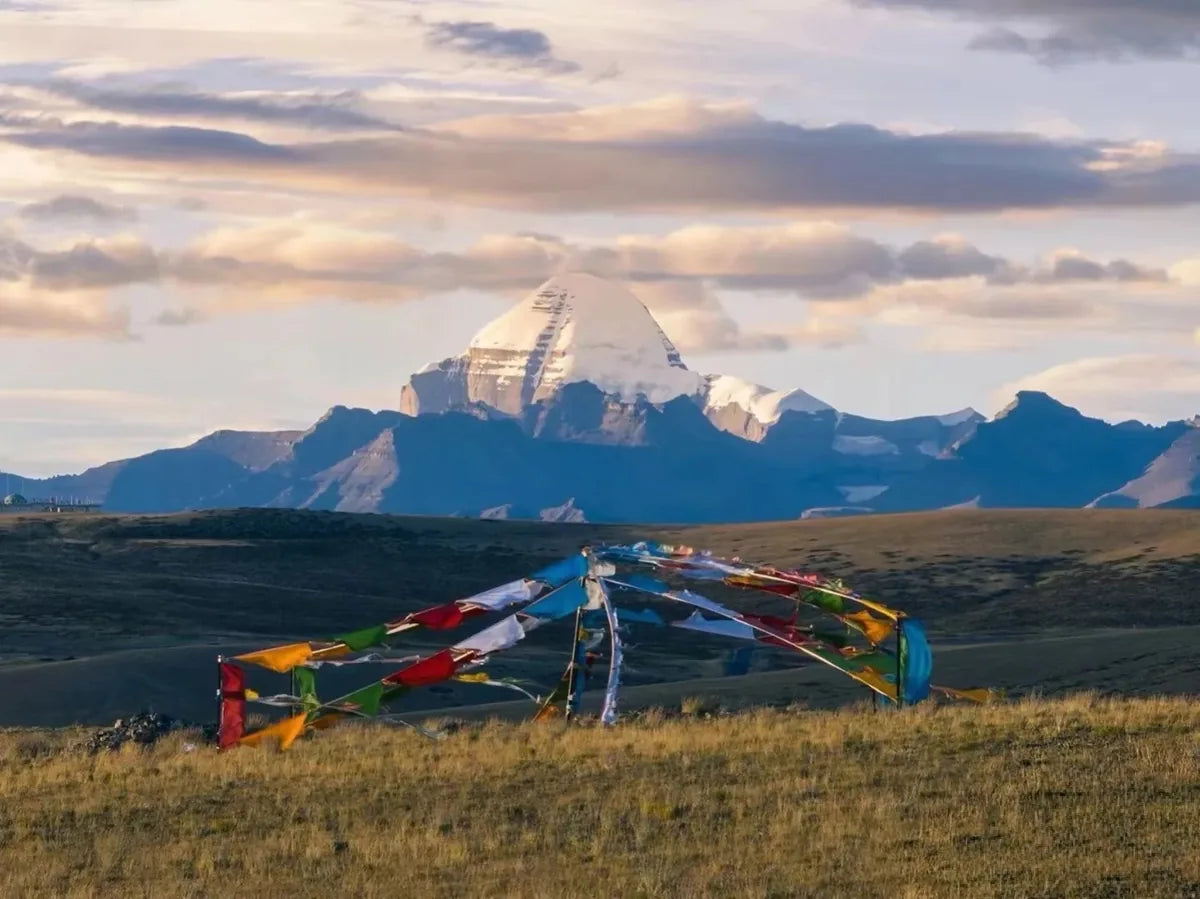
Caravans moving toward the Tibetan Plateau faced some of Asia’s most demanding terrain: steep river gorges, high passes, changing weather, landslides, snow, and long distances between settlements. Routes through the Hengduan mountain region had to negotiate major river systems and dramatic changes in altitude.
Transport therefore depended on local geographic knowledge, pack animals, porters, bridges, ferries, rope crossings, and stopping points. The “road” was created as much by repeated human and animal movement as by formal construction.
Who Traveled These Routes?
Merchants were only one part of the story. Caravan workers, animal handlers, porters, craftspeople, monks, pilgrims, officials, local hosts, translators, and market communities all participated in the movement of goods and ideas.
The network crossed areas inhabited by multiple ethnic and linguistic communities. Exchange therefore required negotiation across cultural boundaries, and commercial relationships could become long-term social relationships.
Trade Was About More Than Tea
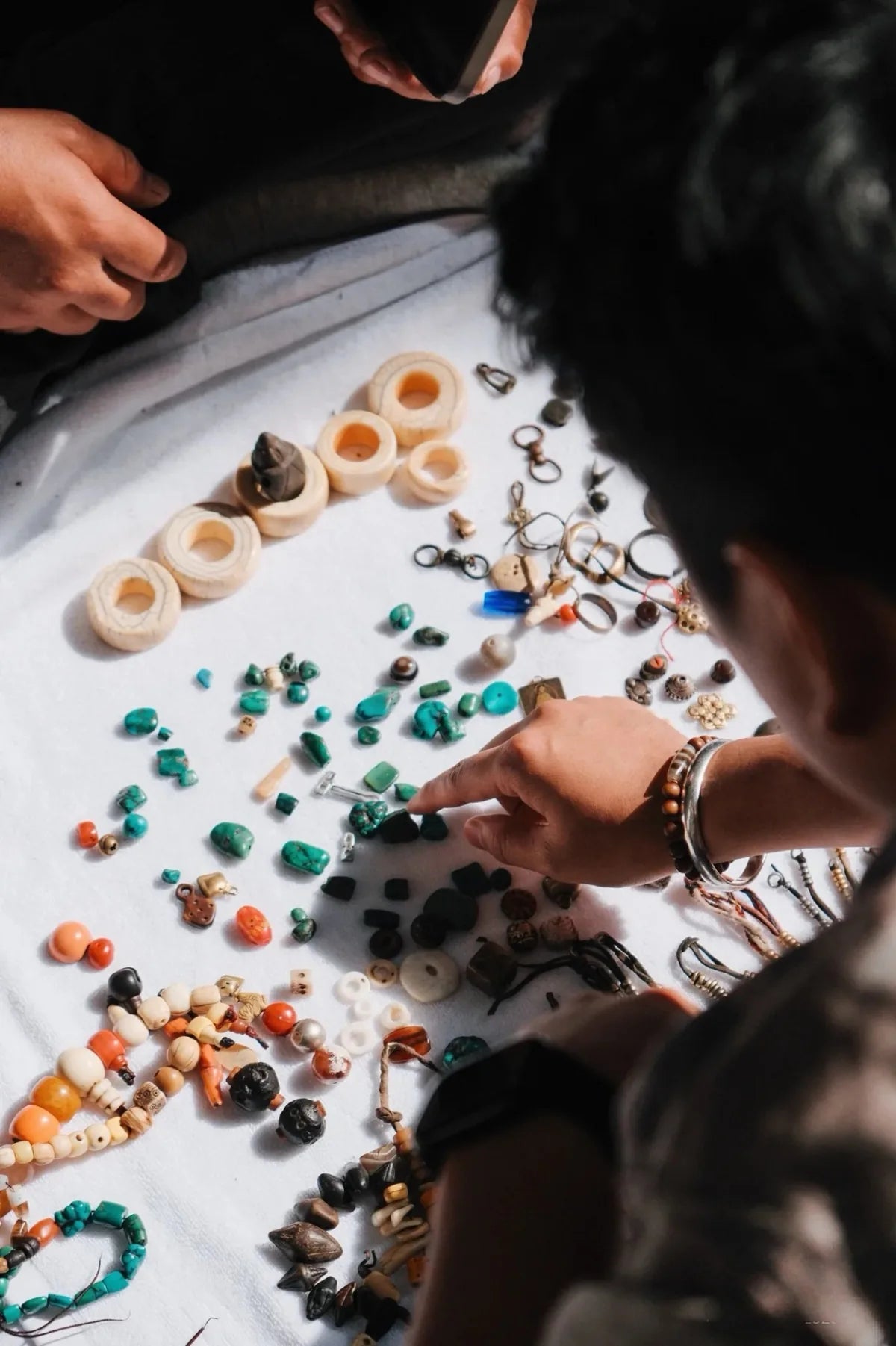
Historic Himalayan trade moved a wide range of materials. Wool and salt traveled from plateau regions; tea, textiles, grains, metal goods, and manufactured objects moved through other directions. Medicinal materials, horses, precious stones, coral, amber, and many smaller goods also entered long-distance exchange networks.

Our article on coral in Tibetan jewelry shows how a material from the sea could become part of Himalayan adornment. Similar questions of origin and movement matter for turquoise and amber.
How Did Trade Shape Tibetan Material Culture?
A culture does not become less local because some of its materials arrived from elsewhere. In fact, the opposite is often true: communities create distinctive traditions by selecting, adapting, valuing, and combining materials that come from multiple sources.
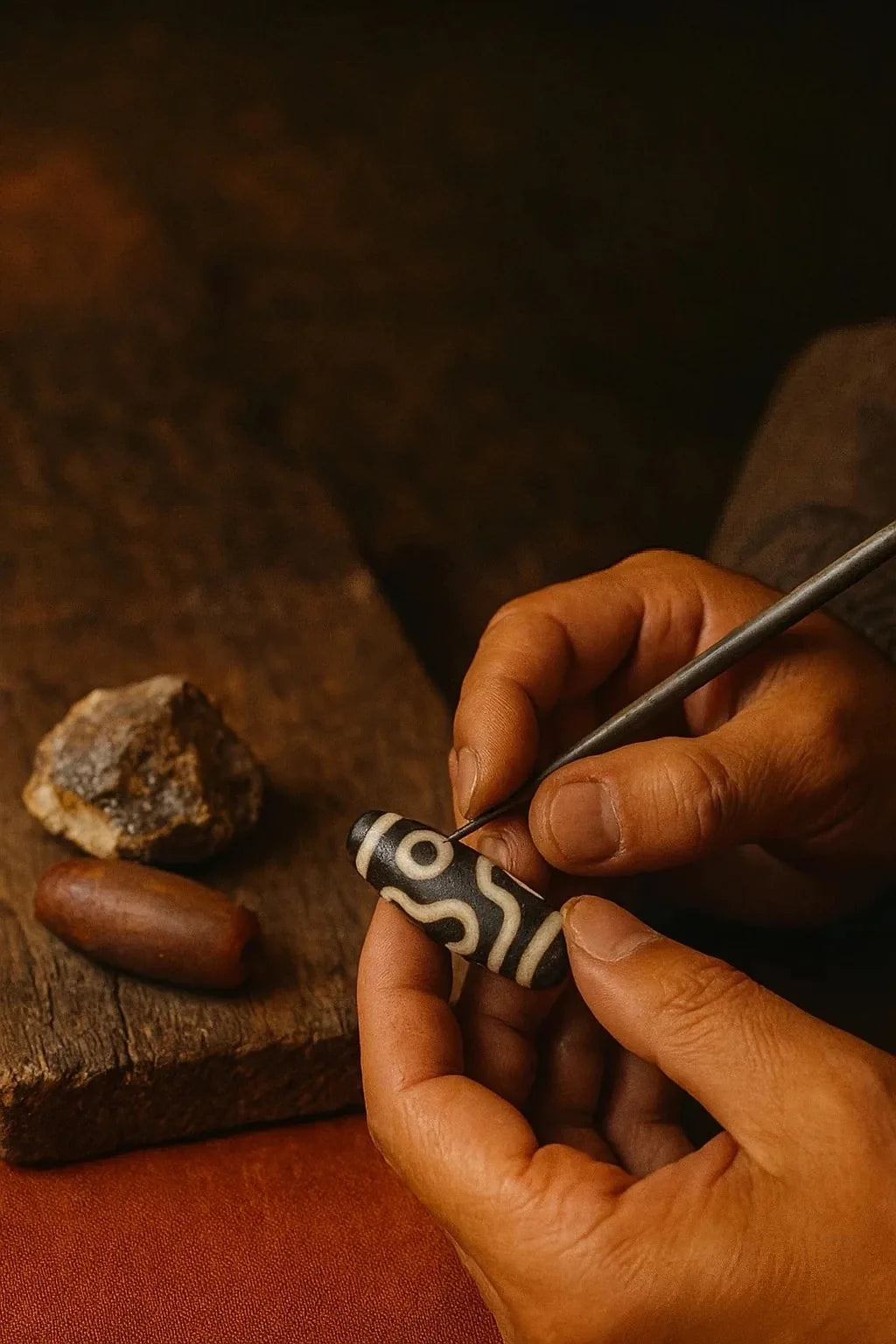
Tibetan jewelry is a clear example. Imported coral could be combined with turquoise, metal, pearls, amber, glass, or textiles in forms meaningful within Tibetan dress and family life. The history lies not only in where a material originated, but in what Tibetan craftspeople and wearers did with it.
Did Ideas Travel Along the Tea Horse Road Too?
Yes, although ideas do not travel like packages. Roads create encounters, and encounters create opportunities for language, artistic motifs, religious practices, technologies, recipes, and stories to circulate.
Monasteries and pilgrimage sites were embedded in the same landscapes crossed by merchants. A trader might move through a region shaped by Buddhist institutions, while monks and pilgrims depended on the same towns, paths, markets, and local resources.
This does not mean the Tea Horse Road alone explains the spread of Tibetan Buddhism. Buddhism moved through many historical networks, including major Indian–Tibetan translation and pilgrimage connections. Trade routes were one part of a larger geography of mobility.
What Role Did Yaks and Other Pack Animals Play?
No long-distance caravan network could function without animals adapted to difficult terrain. Horses, mules, and yaks played different roles depending on altitude, route, cargo, and community. Pack animals carried compressed tea and other goods where wheeled transport was impractical.
For a broader look at the relationship between people, animals, food, fiber, and mobility on the plateau, see our guide to yak culture and Tibetan nomadic life.
Was the Tea Horse Road the Same as the Silk Road?
The terms overlap conceptually but are not interchangeable. “Silk Roads” refers to vast, interconnected networks spanning much of Eurasia. The Tea Horse Road is a more regional framework centered on southwestern China, Tibetan regions, and Himalayan connections.
Both remind us that premodern Asia was linked by networks rather than isolated civilizations. Goods often moved through chains of merchants instead of traveling from origin to final destination with one person.
What Happened to the Caravan Routes?
Modern roads, motor vehicles, rail systems, political border changes, and new commercial structures transformed long-distance caravan transport. Some old paths became highways, local roads, heritage routes, or tourist itineraries; others declined or disappeared from regular commerce.
Yet the network’s legacy remains visible in tea culture, market towns, memories of caravan families, historic bridges and paths, regional cuisines, and objects made from materials that once crossed great distances.
Why the Tea Horse Road Matters to Kailora’s Cultural Research
For a jewelry brand inspired by Tibetan and Himalayan material culture, trade history is essential because it prevents simplistic origin stories. A red bead in Tibetan jewelry does not become “Tibetan coral” because coral grew in Tibet. Its Tibetan significance comes from how a traded material entered local craftsmanship, adornment, memory, and value systems.
That is why Kailora uses material-history articles to separate cultural context from modern gemstone marketing. Our Tibetan-inspired jewelry collection is contemporary; historical trade routes provide context, not a claim that modern pieces are antique reproductions.
Cultural note: “Tea Horse Road” is a modern umbrella term for multiple historical routes whose geography and political importance changed over time. Tea-and-horse exchange was significant, but the wider network involved many goods, communities, and forms of mobility.
Sources & Further Reading
Museum exhibition materials on the Ancient Tea Horse Road; UNESCO Silk Roads Programme materials on Himalayan trade routes; historical studies of Sichuan–Tibet and Yunnan–Tibet caravan networks.