

Thangka painting is often introduced as if it were one uniform Tibetan art form. In reality, Tibetan and Himalayan painting developed through many regional workshops, lineages, monasteries, families, and artistic centers. One of the most important living traditions is known internationally as Regong arts.
Centered in the Longwu River basin of Qinghai Province, Regong arts include thangka painting, murals, sculpture, and textile-based forms. UNESCO inscribed Regong arts on the Representative List of the Intangible Cultural Heritage of Humanity in 2009, recognizing not only finished artworks but also the knowledge, skills, apprenticeship systems, and community practices through which they continue.
Quick Answer
Regong arts are a living Tibetan Buddhist artistic tradition associated with communities in the Longwu River basin of Qinghai. The tradition includes thangka and mural painting, sculpture, and textile arts, and is transmitted through family and master-apprentice teaching. It is an important regional tradition within the much broader world of Tibetan and Himalayan sacred art.
What Does “Regong Arts” Include?
UNESCO describes Regong arts as a group of visual traditions practiced by monks and folk artists, especially among Tibetan and Tu communities. The best-known forms include thangka painting, murals, barbola or textile appliqué, and sculpture.
These categories remind us that sacred art is not limited to painting on cloth. A monastery or religious environment can bring together painted walls, portable scrolls, modeled figures, carved details, textiles, pigments, metal objects, architecture, and ritual furnishings.
Regong is therefore better understood as an artistic ecosystem than as a single style or product.
Why Thangka Painting Requires More Than Painting Skill
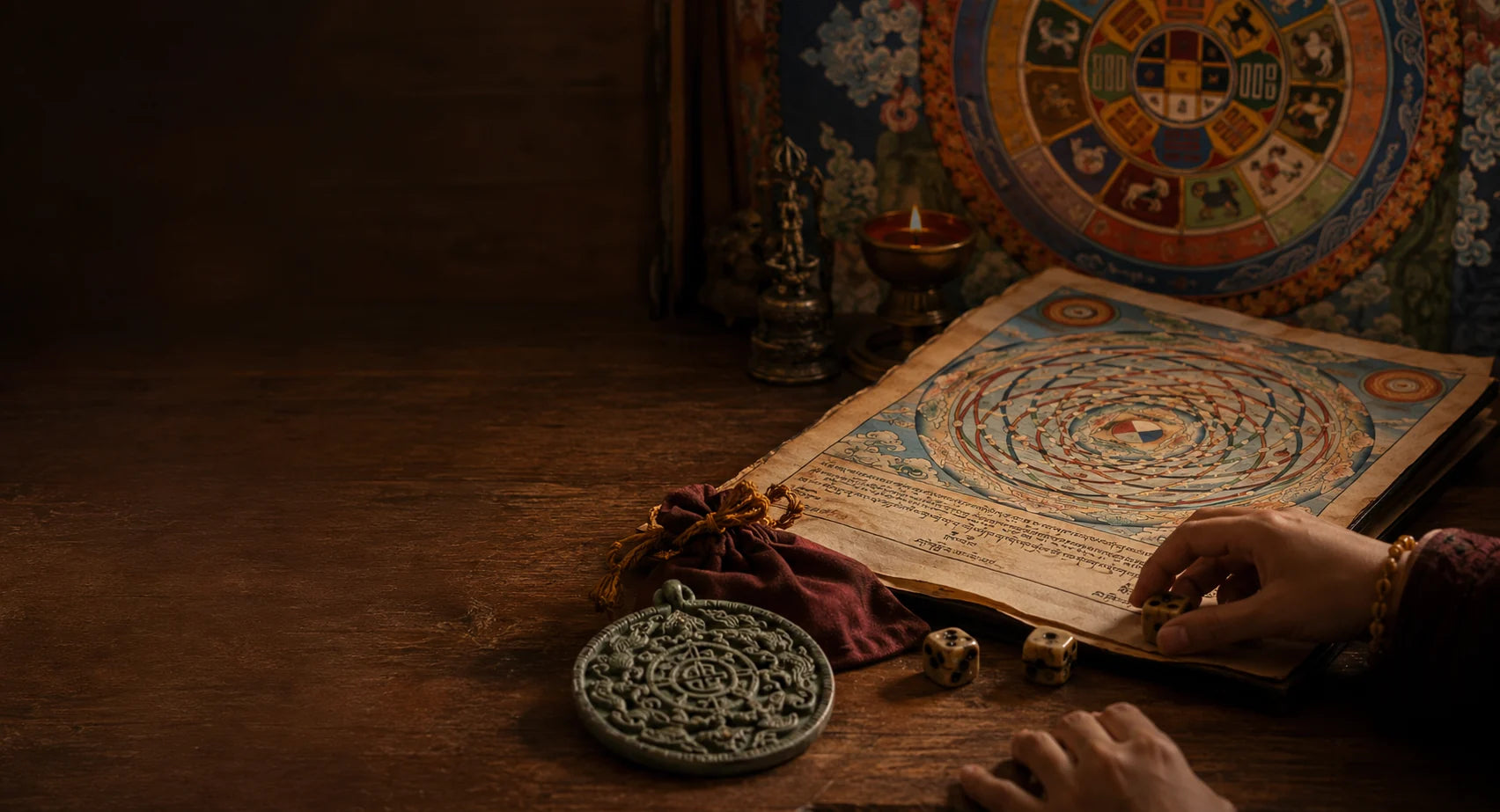
A thangka is a portable sacred painting, usually created on cloth and often mounted in textile borders. Its imagery may depict buddhas, bodhisattvas, teachers, protectors, mandalas, narrative scenes, or other subjects from Buddhist traditions.
Creating such an image involves more than producing an attractive composition. Traditional painters work within established systems of iconography and proportion. The identity, posture, attributes, color, placement, and surrounding figures may all communicate specific religious information.
This is one reason a thangka should not be described as simply “Tibetan decorative art.” Its visual beauty is inseparable from an iconographic language.
For a broader introduction, read What Is a Thangka? Tibetan Buddhist Sacred Painting Explained.

Regong Is a Regional Tradition, Not a Label for Every Thangka
This distinction matters for cultural accuracy. “Tibetan thangka” is a broad category. “Regong arts” refers to a specific living regional tradition and its communities of makers.
Not every Tibetan thangka was painted in Regong, and not every Regong artwork is a thangka. Conflating the two removes the regional histories that make Himalayan art diverse.
A more precise way to speak about Regong is to see it as one major center where Tibetan Buddhist art has been practiced, taught, adapted, and passed forward.
How Is the Tradition Transmitted?
UNESCO emphasizes transmission through families and master-apprentice relationships. Skills are learned over time rather than acquired from a short set of instructions.
An apprentice may need to understand drawing, proportion, pigment preparation, brush control, surface preparation, iconographic conventions, and the sequencing of work. Equally important is learning how a particular community understands the role of sacred images.
This makes apprenticeship a form of cultural memory. The learner receives techniques, but also ways of seeing, naming, organizing, and valuing the world represented in the art.
Why Materials Matter
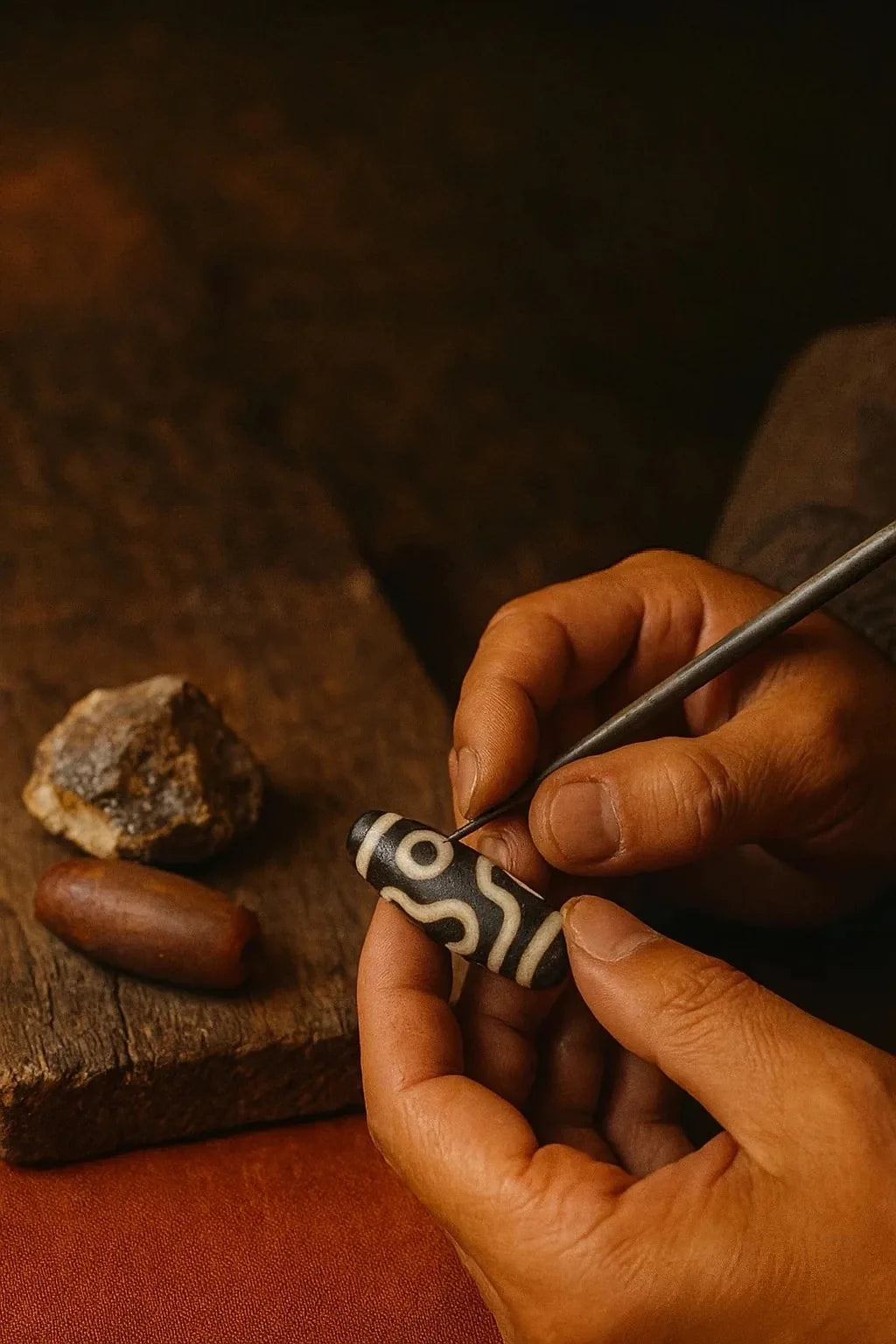
Traditional sacred painting is deeply material. Cloth must be prepared. Pigments must be mixed. Lines must be controlled. Colors and mineral tones behave differently depending on their preparation and application.
When we look only at the finished image on a screen, it is easy to forget the physical labor behind it. The surface contains hours of drawing, repeated corrections, layered color, detailing, and often specialized knowledge built through years of practice.
That material discipline is part of why historic thangkas can remain visually powerful centuries after they were made.
Art, Devotion, and Community
Regong arts are often discussed in museums as “art,” but within their cultural setting they can also be connected with religious practice, patronage, community events, monasteries, households, and local identity.
The same object can therefore be understood in multiple ways: as a work of skilled craftsmanship, a bearer of Buddhist iconography, an expression of regional heritage, and an object created for a particular religious or social setting.
Recognizing these layers helps avoid the common mistake of separating “aesthetic value” from the cultural life that produced it.
What UNESCO Recognition Actually Means
Intangible cultural heritage is not primarily about declaring an old object important. It focuses on living knowledge and practice. In the case of Regong arts, the heritage lies in people knowing how to make, teach, interpret, and continue the tradition.
That difference is important. A museum can preserve a thangka, but a living artistic tradition also requires practitioners, teachers, apprentices, workshops, community support, and opportunities for the skills to continue.
Traditional Craft and Contemporary Design
Kailora is a contemporary jewelry brand, not a thangka workshop. We therefore avoid presenting modern jewelry as if it were equivalent to sacred painting.
What can be carried forward responsibly is a respect for craftsmanship, material attention, symbolic literacy, and the human hand. These values connect many forms of Tibetan and Himalayan material culture without pretending that all objects share the same ritual status.
Readers interested in contemporary Tibetan-inspired craftsmanship can browse Kailora's Tibetan-inspired jewelry, while keeping the distinction between modern design and sacred art clear.
Frequently Asked Questions
Are Regong arts Tibetan?
Regong arts are strongly associated with Tibetan Buddhist visual culture and are practiced by communities including Tibetan and Tu artists in Qinghai. They represent a regional living tradition within the wider Himalayan cultural world.
Is every Regong artwork a thangka?
No. The tradition also includes murals, sculpture, and textile-based arts.
Is every Tibetan thangka a Regong thangka?
No. Tibetan and Himalayan thangka traditions developed in many regions and artistic lineages.
Why was Regong arts added to UNESCO's heritage list?
UNESCO recognized the living practices, skills, transmission, and community knowledge associated with the tradition, not simply a collection of old paintings.
A Living Tradition Is More Than an Image
Regong arts show why cultural heritage cannot be understood only by looking at finished objects. Behind every painting are teachers, apprentices, materials, methods, iconographic rules, patrons, religious communities, and generations of accumulated knowledge.
Learning to see that invisible network is one of the best ways to look more closely at Tibetan art.
Explore more context in the Tibetan Culture Guide, connecting sacred art, symbols, ritual objects, festivals, and material traditions.