
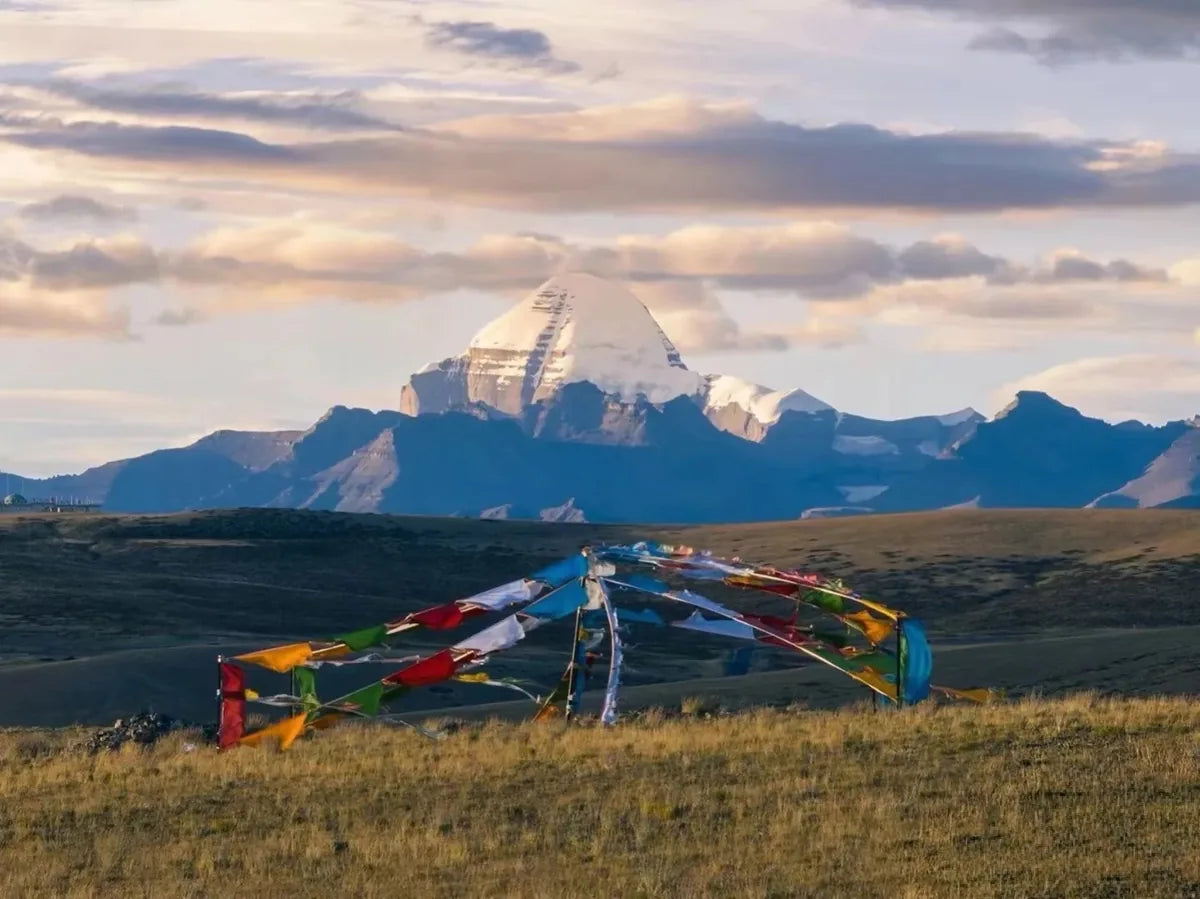

Sowa Rigpa is a traditional medical knowledge system practiced across Tibetan and Himalayan communities and neighboring regions. Its history brings together medical texts, observation, diet, behavior, materia medica, diagnostic traditions, religious and philosophical ideas, and detailed visual systems for organizing knowledge.
Because modern wellness marketing often borrows words such as “healing” and “balance,” Sowa Rigpa can easily be oversimplified into a vague philosophy. It is more accurately understood as a complex historical medical tradition with its own concepts, texts, training systems, and communities of practice.
Quick Answer
Sowa Rigpa is a traditional Tibetan and Himalayan medical knowledge system. It has developed through written medical traditions, practitioner training, materia medica, diet and behavior guidance, diagnostic systems, and regional practice. UNESCO has specifically recognized Lum medicinal bathing of Sowa Rigpa as intangible cultural heritage; that inscription should not be confused with a blanket endorsement of every traditional medical claim.
Important: This article discusses Sowa Rigpa as cultural history and living heritage. It is not medical advice, does not evaluate treatments for any condition, and should not replace qualified healthcare.
What Does Sowa Rigpa Mean?
The term is commonly translated in English as the “science of healing” or “knowledge of healing.” Yet a translation alone cannot capture an entire medical system.
Sowa Rigpa developed through centuries of textual scholarship and clinical practice in the Tibetan cultural world, while also reflecting exchanges with neighboring medical and intellectual traditions. Practitioners traditionally study concepts of the body, causes of illness, diet, behavior, medicines, diagnosis, and therapeutic methods within a distinctive theoretical framework.
The important point for a cultural reader is that this is a system of knowledge, not a single remedy.
The Medical Thangka as a Knowledge Map
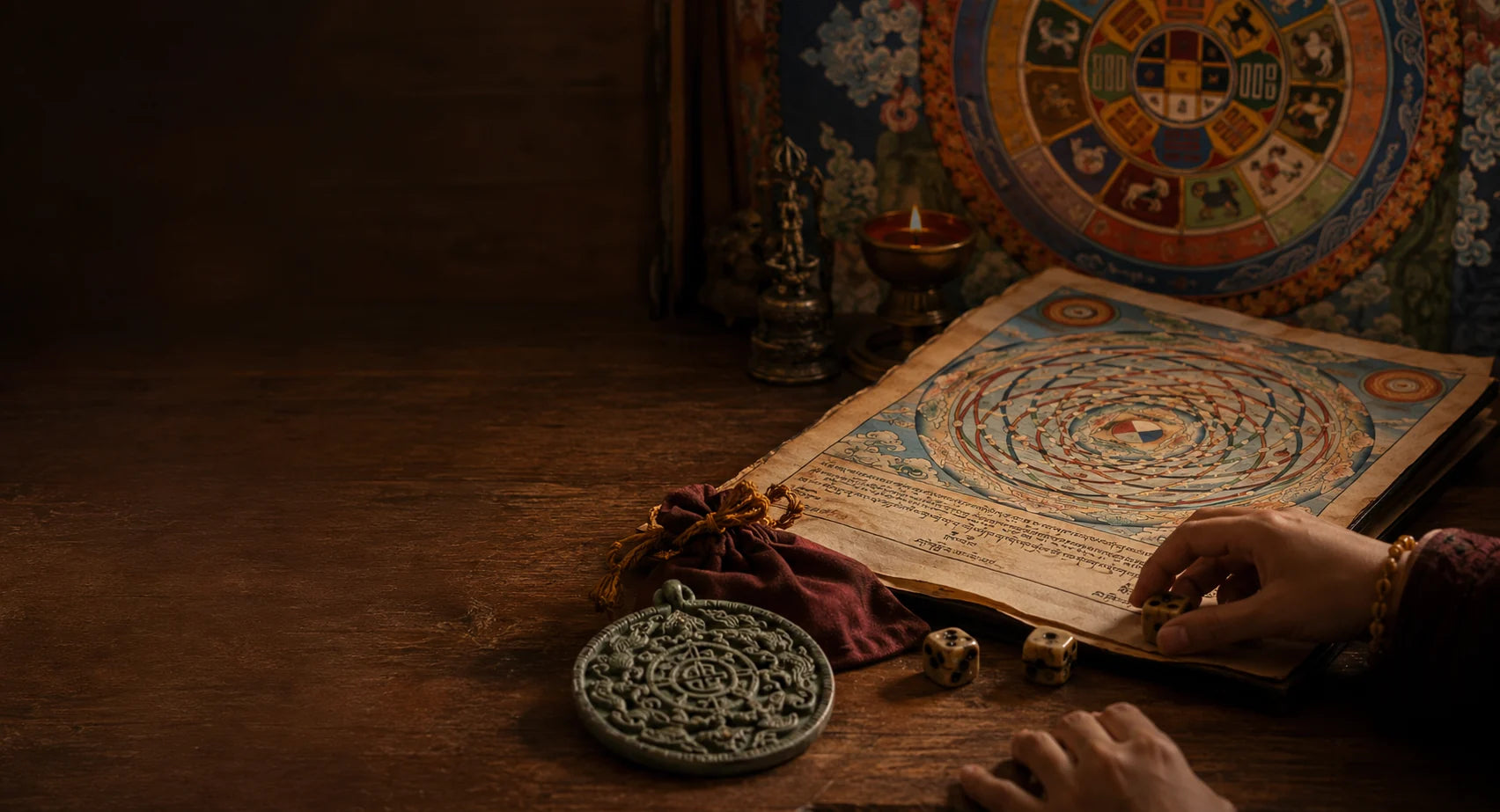
One striking feature of Tibetan medical culture is the use of detailed paintings to organize and communicate medical concepts.
Historic medical thangkas can present the body, materia medica, diagnostic categories, treatment systems, plants, animals, instruments, and diagrammatic “trees” that classify knowledge. They are visual teaching technologies as much as artworks.

These paintings are especially useful for understanding how knowledge can be transmitted visually. A branching tree can turn an abstract classification system into something a student can inspect, memorize, discuss, and teach.
Balance in Sowa Rigpa Is Not the Same as Modern Wellness “Balance”
English-language summaries often say that Tibetan medicine is about “balance.” That word is convenient, but it can be misleading if it is detached from the tradition's own categories.
Traditional Sowa Rigpa theory describes bodily and mental processes through specific concepts and relationships that do not map neatly onto modern biomedical categories. Historical medical paintings and texts organize these ideas according to their own logic.
Therefore, saying “Sowa Rigpa teaches balance” should be treated as a broad cultural summary—not as a claim that its traditional categories are scientifically identical to contemporary medical physiology.
Nature, Materia Medica, and Place
Sowa Rigpa traditions make extensive use of materia medica derived from plants, minerals, animal substances, and compounded preparations. Knowledge of ingredients is connected with geography, season, collection, preparation, classification, and practitioner training.
This relationship with landscape is one reason the tradition is often discussed alongside Himalayan ecology. But “natural” should not be treated as a synonym for “safe.” Any substance used for health purposes can have risks, interactions, dosing concerns, and quality issues.
For modern readers, cultural respect includes resisting the assumption that an old or natural remedy is automatically appropriate for self-treatment.
What Is Lum Medicinal Bathing?
In 2018, UNESCO inscribed Lum medicinal bathing of Sowa Rigpa on the Representative List of the Intangible Cultural Heritage of Humanity.
The heritage element concerns traditional bathing practices that may involve natural hot springs or water prepared with herbal substances, along with the knowledge needed to select, prepare, and use them within Sowa Rigpa traditions.
UNESCO's role here is cultural: it documents and safeguards a living knowledge practice. Inclusion on an intangible heritage list is not the same thing as a modern clinical recommendation.
How Knowledge Is Passed Down
Like many specialist traditions, Sowa Rigpa depends on education and transmission. Knowledge has historically been passed through medical texts, teachers, institutions, family or practitioner lineages, apprenticeship, memorization, observation, and practical experience.
This makes the tradition both textual and embodied. A book can preserve terminology, but practitioner knowledge also involves learning how concepts are interpreted and applied within a particular medical culture.
Sowa Rigpa and Tibetan Buddhist Culture
Sowa Rigpa developed in a cultural environment deeply shaped by Tibetan Buddhism, and medical imagery can include Buddhist figures and cosmological references. Yet it is useful to distinguish religious context from medical practice rather than assuming that every medical idea is simply a religious belief.
The interaction between scholarship, religion, medicine, art, and community life is precisely what makes the tradition historically rich.
How Does Sowa Rigpa Relate to Tibetan Astrology?
Tibetan intellectual life also includes traditional Tibetan astrology and calendrical calculation. Historically, medical, calendrical, astrological, and religious knowledge could exist within overlapping institutional worlds, but they are not the same discipline.
For modern readers, the distinction is important: Sowa Rigpa should not be reduced to horoscope-style prediction, and Tibetan astrology should not be presented as a medical diagnostic substitute.
Why This Topic Belongs in the Kailora Journal
Kailora's cultural articles explore how Tibetan and Himalayan communities have carried knowledge through objects, symbols, art, performance, and practice. Sowa Rigpa adds another dimension: knowledge organized through the body, landscape, text, teaching, and medical art.
It also gives us an opportunity to draw an important boundary.
Traditional cultural context: Sowa Rigpa has its own historical concepts of health, illness, diagnosis, and treatment.
Kailora's contemporary brand language: words such as “inner peace,” “grounding,” or “balance” describe personal intentions and reflective themes. They are not medical claims.
For readers who use jewelry as a personal reminder of calm or reflection, Kailora's Healing & Inner Peace collection uses those words in this contemporary symbolic sense only. No jewelry is presented as a treatment for disease.
Frequently Asked Questions
Is Sowa Rigpa the same as Tibetan Buddhism?
No. Sowa Rigpa is a medical knowledge tradition that developed within Tibetan and Himalayan cultural environments strongly influenced by Buddhism, but medicine and religion are not identical categories.
Did UNESCO recognize Tibetan medicine?
UNESCO specifically inscribed Lum medicinal bathing of Sowa Rigpa as intangible cultural heritage in 2018. This is a cultural heritage designation, not a general clinical endorsement.
Are Tibetan medical thangkas religious paintings?
They can include religious imagery, but many also function as structured visual teaching aids for medical knowledge.
Does Kailora jewelry use Sowa Rigpa treatments?
No. Kailora jewelry may use contemporary intention language such as calm, balance, or inner peace, but it is not presented as medicine or as a substitute for healthcare.
Seeing a Knowledge Tradition on Its Own Terms
Sowa Rigpa becomes more interesting when we stop translating it into generic wellness language and instead look at how the tradition actually organizes knowledge: through texts, teachers, diagrams, materia medica, landscapes, diagnostic concepts, and living communities of practitioners.
That approach allows cultural appreciation without turning historical medicine into modern marketing claims.
Continue exploring Tibetan visual culture, ritual life, and living traditions in the Kailora Tibetan Culture Guide.