



A missed train is annoying.
A rejected proposal hurts.
A broken phone, unexpected bill and argument all in the same week can make the mind search for a larger explanation.
“Am I having terrible luck?”
Humans are pattern-seeking. When difficulties cluster together, randomness can feel personal.
Chinese and Tibetan traditions both developed rich languages for fortune, timing and changing conditions. But those traditions are more complex than the modern idea that you are either “lucky” or “unlucky.”
Luck in Chinese Tradition Is Often About Conditions, Not a Permanent Identity
Chinese culture contains many different traditions concerning fate, timing, auspiciousness and fortune. Terms such as yun and shi can appear in discussions of changing circumstances and timing, while calendrical and divinatory systems evaluate relationships among time, place and human activity.
It would be misleading to compress all of this into one formula.
But one broad lesson is useful:
Conditions move.
A difficult period is not necessarily a permanent identity.
“I am unlucky” turns a temporary sequence of events into a statement about who you are.
“This period has been difficult” leaves room for conditions to change—and for your response to change with them.
What Is Lungta, the Tibetan Wind Horse?
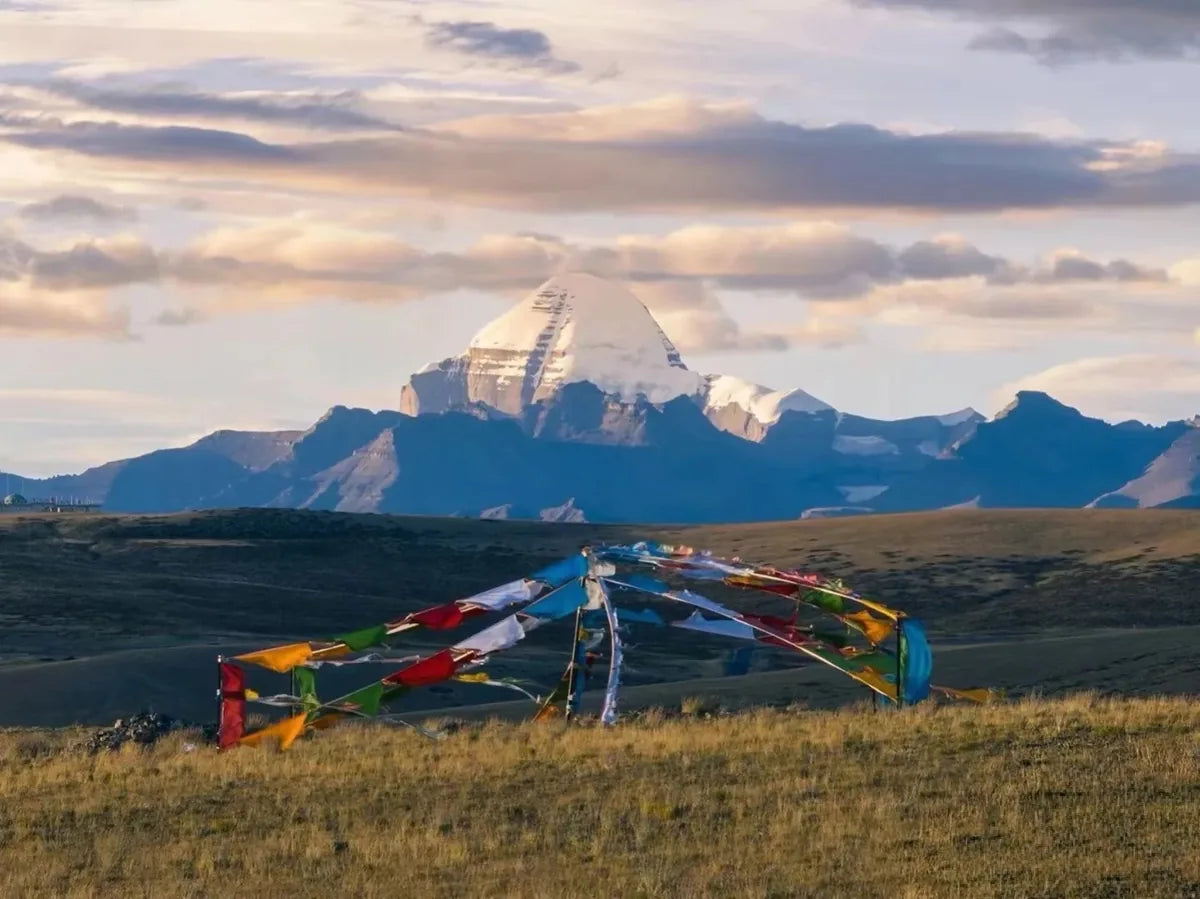
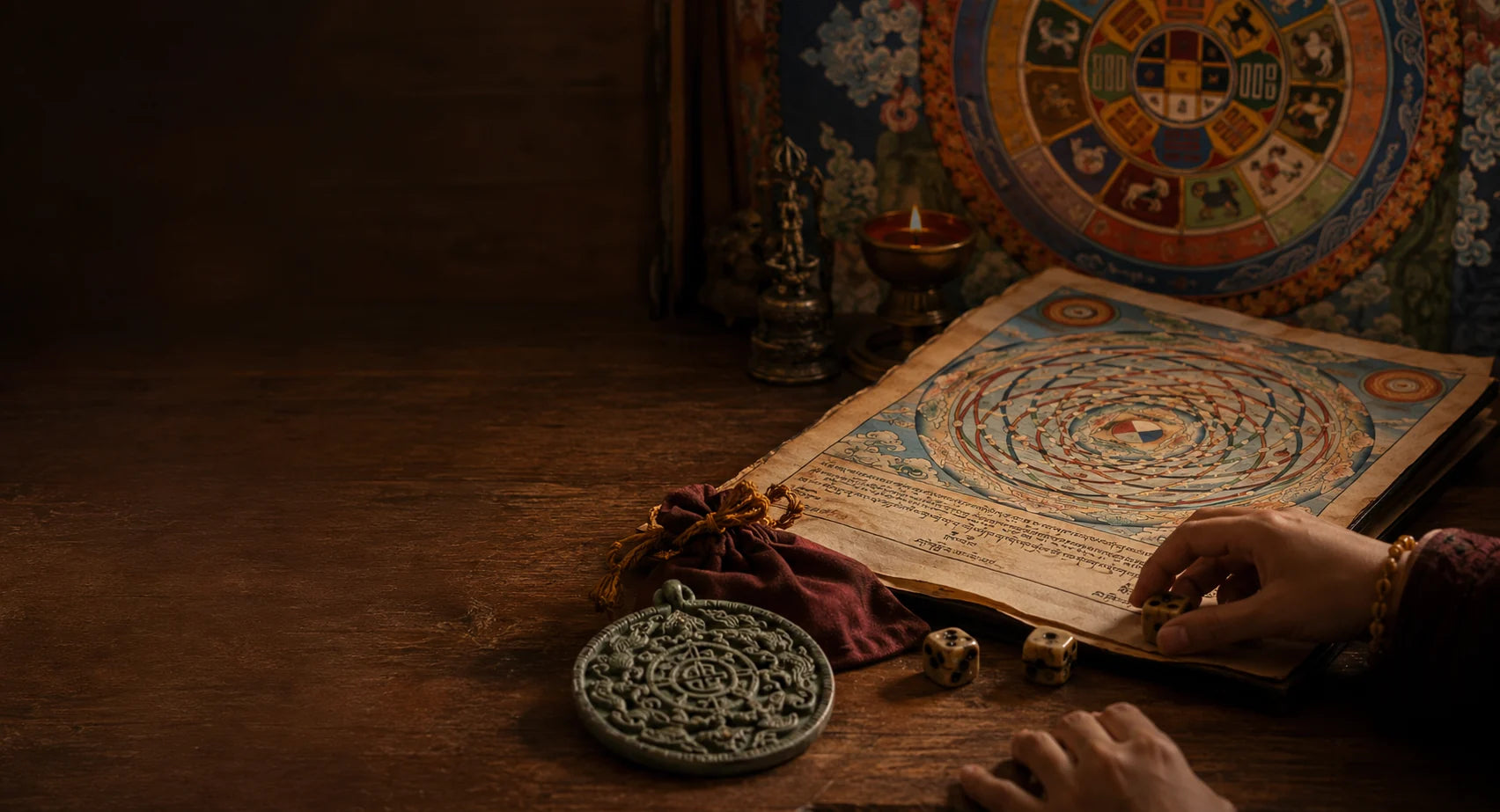
In Tibetan culture, lungta—literally associated with the Wind Horse—is traditionally connected with fortune, vitality and auspicious strength. The Wind Horse appears prominently on prayer flags and within Tibetan cultural and astrological contexts.
Lungta should not be translated simply as “positive vibes,” and it is not a measurement Kailora can diagnose from your mood.
Traditional Tibetan astrology treats personal forces and timing through much more detailed systems.
For the full cultural context, read What Is the Tibetan Wind Horse?
What matters here is that Tibetan culture has a traditional language for the changing quality of fortune and vitality. Fortune is not necessarily imagined as a fixed personality trait.
Prayer Flags Are Not Personal Wish Machines
Tibetan prayer flags are often misunderstood in Western lifestyle imagery as colorful “wish flags.” Traditionally, printed prayers, mantras and auspicious imagery are connected with blessing and religious meaning; their purpose is not simply to ask the universe for a private desire.
You can explore the five colors, Lungta and cultural context in What Do Tibetan Prayer Flags Mean?
For Kailora, the image of flags moving in the wind becomes a respectful modern reminder:
you cannot control the wind, but you can choose what you place into it.
That is not a traditional Tibetan saying. It is Kailora’s contemporary reflection inspired by the material image of prayer flags.
Before You Decide You Are “Unlucky,” Check Three Things
1. Is This a Pattern—or a Cluster?
Three bad events close together can feel like a destiny. Write down what actually happened before deciding they share one cause.
2. What Is Outside Your Control?
Weather, another person’s choice, a company restructuring, a delayed shipment—some events are simply conditions you have to meet.
3. Where Do You Still Have Agency?
You may not control the event, but you may control whether you send the second application, ask for help, change a routine or stop repeating one costly response.
This distinction prevents spiritual language from becoming self-blame.
A “Change the Wind” Ritual
Choose one current difficulty.
Draw two columns:
THE WIND: what I cannot control.
THE SAIL: what I can adjust.
Put each fact in one column.
Then choose one action from “The Sail” that can be completed within 24 hours.
This is Kailora’s modern ritual language, not a traditional Tibetan Lungta-raising ceremony.
Wearing the Five Colors as a Reminder
Kailora’s Tibetan Five-Color Prayer Flag Cord Bracelet draws visual inspiration from the five-color language associated with Tibetan prayer flags.
We do not claim that wearing it automatically raises Lungta, reverses misfortune or guarantees auspicious outcomes.
Instead, it can become a wearable reminder that conditions change—and that you still participate in how you meet them.

Fortune Is Not the Same as Control
The Protection & Grounding journey is not about constructing a life where nothing unfortunate ever happens.
Grounding is useful precisely because life remains uncertain.
So when a week feels cursed, pause before turning a difficult sequence into a permanent identity.
Instead of:
“Why am I so unlucky?”
try:
“What conditions are changing, what is outside my control, and what can I still choose?”
The wind changes.
Your task is not to command it.
It is to remember how you want to move when it does.
Stay grounded.
Move with intention.