
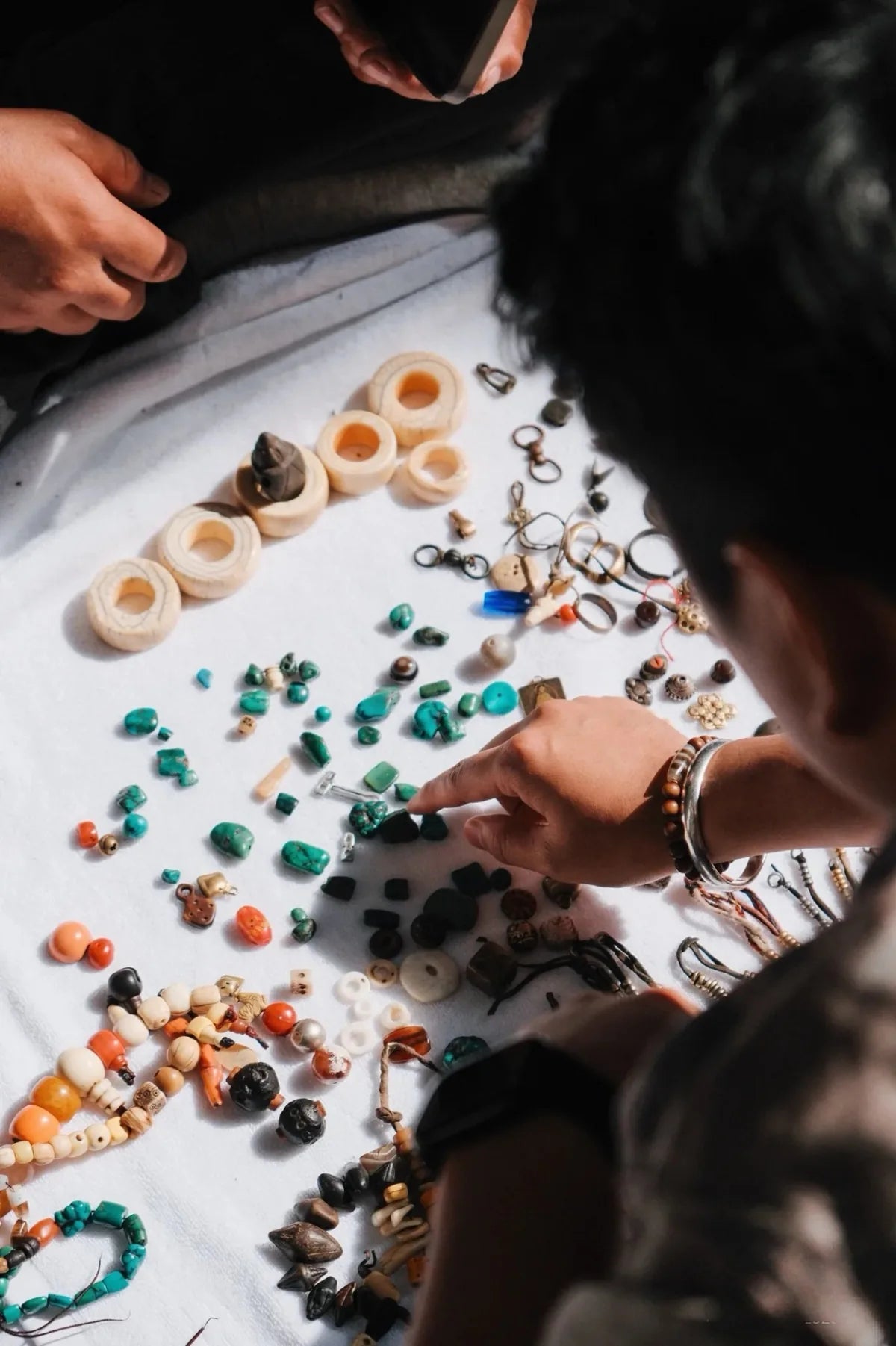
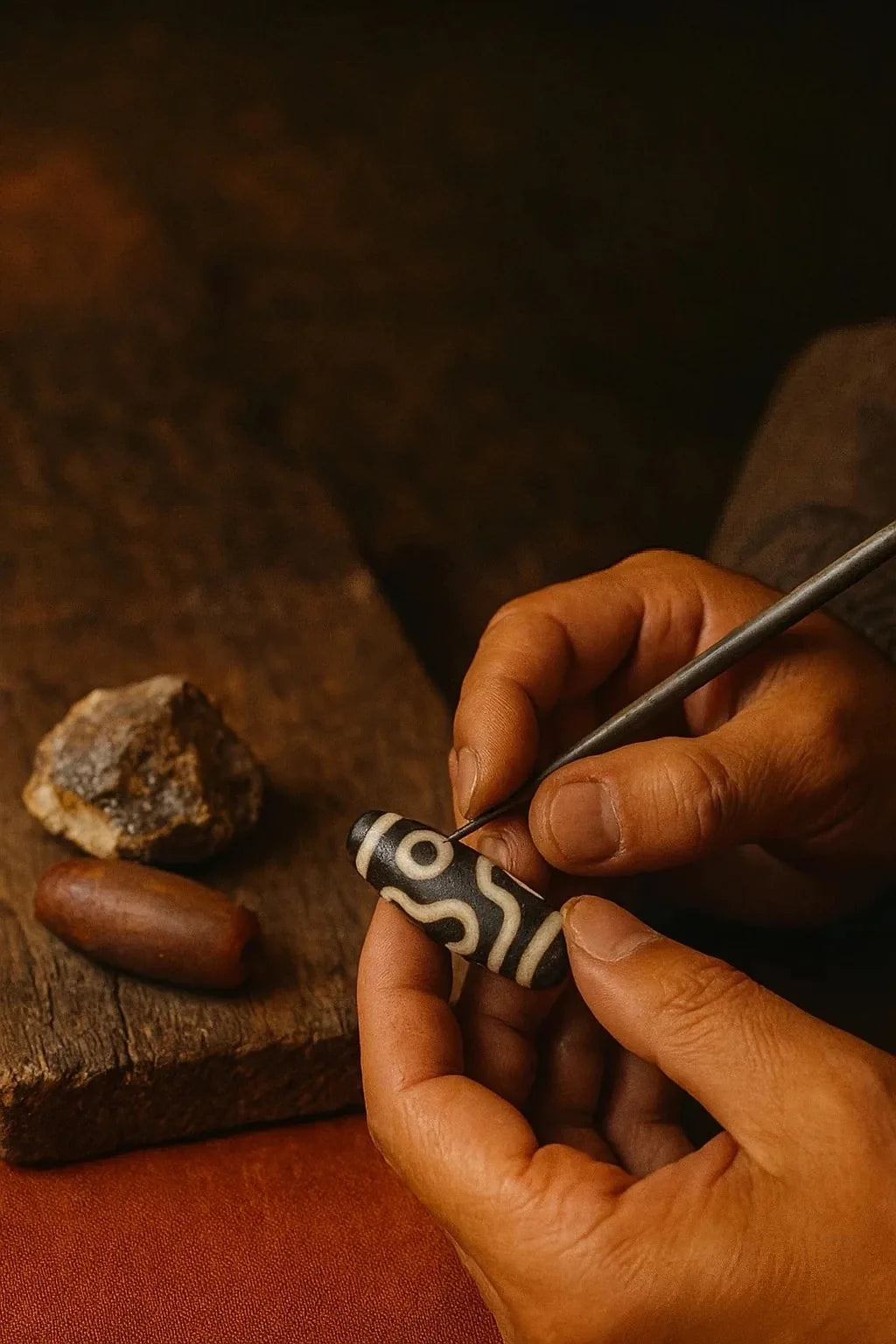










Gemstone labels can sound simple until several of them appear on the same product: natural, treated, synthetic, lab-grown, imitation, or simulant. These terms do not describe the same thing, and confusing them can lead to poor buying decisions.
Quick answer: A natural gemstone formed in nature. A treated gemstone has undergone a deliberate process beyond ordinary cutting and polishing to alter properties such as color, clarity, or stability. A synthetic or laboratory-grown gemstone is made by people but has essentially the same relevant chemical, physical, and optical characteristics as its natural counterpart. An imitation or simulant only looks like another gem; its material is different.
The most important distinction is this: natural does not automatically mean untreated, and synthetic does not mean imitation.
Why gemstone terminology matters
Gemstone terminology affects more than a label. Treatment can influence appearance, care requirements, durability, rarity, and purchasing expectations. Laboratory-grown material can be genuine synthetic gem material rather than a visual substitute. An imitation can resemble a more expensive stone while being composed of something entirely different.
For buyers, the goal is not to assume one category is always “good” and another is always “bad.” The goal is to understand what the material is, how it was produced, whether it was treated, and what claims are actually supported.
What is a natural gemstone?
A natural gemstone is material that formed through natural geological processes rather than being manufactured as a gem material in a laboratory.
That definition concerns origin. It does not automatically answer every other question about the stone.
- A natural gem can be untreated.
- A natural gem can also be treated after mining.
- “Natural” does not guarantee high quality.
- “Natural” does not prove geographic origin unless that origin is independently supported.
- “Natural” does not prove age, cultural provenance, or spiritual significance.
This is particularly important in jewelry descriptions. If a seller identifies a bead as natural agate, natural quartz, or natural turquoise, the word natural should not silently be expanded into claims such as “untreated,” “ancient,” or “from a specific historic source” unless those claims are separately supported.
What is a treated gemstone?
The Gemological Institute of America describes gem treatment as processes applied beyond ordinary cutting and polishing to alter a gemstone’s appearance, including characteristics such as color or clarity. Some treatments can also affect durability or require special care.
A treated gemstone can still be a natural-origin gemstone. Treatment and natural origin answer two different questions.
Common treatment families
Different gems respond to different processes. GIA documents several broad treatment categories used in the gem trade:
- Heat treatment: controlled heating can alter color or clarity in certain gem materials.
- Dyeing: colored substances can enter porous or receptive material to change or intensify visible color.
- Impregnation: wax, polymer, plastic, or similar substances can enter porous gems to improve appearance or stability.
- Coating: a surface layer can modify color, luster, or other visible characteristics.
- Irradiation: radiation can alter color centers in certain gem materials, sometimes followed by additional treatment.
- Fracture or cavity filling: substances can be introduced into surface-reaching features to make them less visible or improve apparent clarity.
- Bleaching: chemical agents can remove or reduce unwanted color in suitable materials.
These are categories, not a checklist that applies to every stone. The treatment possibilities for turquoise are not identical to those for quartz, agate, corundum, or other gem materials.
Does treatment make a gemstone fake?
No—not by itself. A genuine natural-origin gem can be treated.
For example, if a natural gem has been dyed, heated, impregnated, coated, or otherwise enhanced, the treatment changes an aspect of the material but does not automatically turn the underlying gem into an imitation. The correct description should keep the two layers separate: what the material is and what has been done to it.
Treatment disclosure still matters. Some treatments affect value expectations, permanence, cleaning methods, exposure to heat or chemicals, and how a buyer evaluates the price. A transparent description is more useful than reducing the issue to “real” versus “fake.”
What is a synthetic or lab-grown gemstone?
A synthetic gemstone—often described as laboratory-grown or laboratory-created—is produced by people rather than formed in nature. In gemology, however, synthetic does not simply mean something that looks similar.
GIA explains that synthetic gem materials have essentially the same chemical composition, crystal structure, optical properties, and physical properties as their natural counterparts, although manufacturing-related differences can exist and trained laboratories can often distinguish natural from synthetic material.
Synthetic quartz is a useful example. Hydrothermal growth methods can produce quartz in laboratory conditions. The resulting material is synthetic quartz, not glass pretending to be quartz.
This distinction is why terms such as lab-grown quartz, synthetic sapphire, or laboratory-created ruby should not be used interchangeably with imitation.
What is an imitation or simulant gemstone?
An imitation—or simulant—is a material used to resemble another gemstone while having a different composition, structure, or set of gemological properties from the gem it imitates.
A simulant can be man-made, but it does not have to be. One natural material can also be used as a substitute for another if their appearances are similar.
The key point is visual resemblance versus material identity:
- Natural turquoise: natural turquoise material.
- Synthetic turquoise: laboratory-created material represented as the synthetic counterpart of turquoise when it meets the relevant gemological definition.
- Turquoise imitation: another material made or selected to look like turquoise.
Those are three different categories even if all three pieces appear blue-green from a distance.
Natural, treated, synthetic, and imitation: four separate questions
1. Did the gem form in nature?
If yes, it is natural-origin material. If it was grown as gem material in a laboratory, it is synthetic or lab-grown when it matches the natural counterpart in the relevant gemological sense.
2. Has the material been deliberately altered?
If a natural gem has undergone a recognized treatment, it can be both natural and treated.
3. Is it actually the gem it resembles?
If the material merely resembles another gem while being materially different, it is an imitation or simulant.
4. Can the claim be verified?
Some identifications are straightforward to a trained gemologist; others require laboratory instruments and testing. A sales description, visual appearance, or online photograph cannot establish every treatment, growth origin, or geographic-origin claim.
Can you tell if a gemstone is natural or treated at home?
Sometimes a material has visible clues, but there is no universal home test that reliably identifies every natural, synthetic, treated, or imitation gemstone.
GIA notes that some treatments are not obvious to the unaided eye, and modern gem identification can require magnification, spectroscopy, chemical analysis, or other laboratory techniques. Synthetic materials can also require expert examination because they are intentionally produced to reproduce the properties of natural gems.
Avoid destructive “tests” such as scratching a bead, heating it, soaking it in chemicals, using acid, burning corded jewelry, or intentionally chipping a polished surface. These methods can damage the piece and still fail to provide a reliable identification.
For a high-value purchase, a rare-material claim, or a stone whose treatment or origin materially affects price, an independent report from a qualified gemological laboratory can provide much stronger evidence. GIA’s colored-stone reports, for example, can identify gem type, determine natural or synthetic origin, and report detectable treatments; origin opinions are available for certain materials when possible.
What should you ask before buying gemstone jewelry?
- What is the material? Ask for a specific gem name rather than only a color or marketing term.
- Is it natural-origin or laboratory-grown? These are separate production origins and should be described clearly.
- Are any treatments known? Ask especially when color, transparency, or stability is central to the purchase.
- Does the treatment change care requirements? Heat, solvents, ultrasonic cleaning, steam, cosmetics, or prolonged light exposure can matter for some treated materials.
- Does “natural” mean natural-origin or explicitly untreated? Do not assume the second from the first.
- Is geographic origin independently supported? A gem name or jewelry style alone does not prove mining origin.
- Are age or provenance claims documented separately? Material identification cannot establish whether a bead is antique or has a particular cultural ownership history.
How these distinctions apply to Kailora’s gemstone guides
Kailora separates material identity from symbolic interpretation. Gemological terms describe the material; meanings such as grounding, clarity, balance, or intention belong to cultural interpretation or Kailora’s contemporary intention framework rather than to laboratory gem properties.
Across Kailora’s editorial content, “natural,” “treated,” “synthetic,” and “imitation” should be treated as separate material terms rather than as labels of spiritual quality. When treatment status is relevant and documented, it should be discussed separately from symbolic meaning.
Turquoise
Turquoise is porous, and GIA documents impregnation with substances such as wax or polymers among treatments used for porous gem materials. That means natural turquoise and untreated turquoise are not automatically synonymous. Read the full Tibetan Turquoise guide.
Agate and chalcedony
Agate and other chalcedony materials can be dyed. Natural agate material can therefore display treated color. This is especially relevant when evaluating strongly colored beads or Dzi-related jewelry. See Agate: Gemology, Meaning, Treatments & Dzi Bead Context.
Clear quartz
Natural rock crystal exists alongside synthetic quartz produced by laboratory growth methods. Inclusions and growth features can help trained gemologists, but a buyer should not assume that a perfectly clear appearance alone proves either natural or synthetic origin. See Clear Quartz (Rock Crystal): Gemology, Meaning & Jewelry.
Tiger’s Eye and Smoky Quartz
Quartz-family materials can also have treatment considerations, so material identity, color origin, and symbolic meaning should remain separate questions. Explore Tiger’s Eye: Gemology, Meaning, Symbolism & How to Wear It and Smoky Quartz: Gemology, Meaning, Symbolism & How to Wear It.
What U.S. disclosure guidance says
For jewelry marketed in the United States, the Federal Trade Commission’s Jewelry Guides address how marketers describe gemstones, including laboratory-created and imitation materials and treatments that require disclosure in relevant circumstances. The practical principle for buyers is straightforward: terminology should not create a misleading impression about what a gemstone is or how it was produced.
This is a U.S. advertising framework, not a universal statement of law for every country. Sellers operating across markets should follow the rules applicable to the places where they market and sell.
Frequently asked questions
Is a natural gemstone always untreated?
No. “Natural” describes origin. A natural-origin gemstone can later be heated, dyed, impregnated, coated, irradiated, filled, bleached, or otherwise treated where those processes are applicable.
Is a treated gemstone fake?
Not necessarily. A treated gem can still be genuine natural-origin material. The treatment should be considered separately and disclosed when relevant because it can affect care, value expectations, and purchasing decisions.
Is lab-grown the same as imitation?
No. A laboratory-grown or synthetic gem is made to have essentially the same relevant gemological properties as the natural counterpart. An imitation or simulant is a different material used because it resembles the target gem.
Can treatment always be seen with the naked eye?
No. Some treatments leave diagnostic clues, while others require trained examination or laboratory instruments. Visual appearance alone is not a universal treatment test.
Does treatment always make a gemstone less valuable?
No universal rule applies. Value depends on the gem species, treatment type, rarity, quality, permanence, disclosure, market expectations, size, craftsmanship, and other factors. What matters first is that the buyer understands what is being purchased.
Does every gemstone bead need a laboratory report?
No. Laboratory testing can cost more than low-value beads justify. Reports become more useful when the purchase value, rarity, treatment sensitivity, geographic-origin claim, or historical claim makes independent verification important. Clear seller disclosure is still valuable even when an individual lab report is not practical.
Related Kailora guides
- Tibetan Turquoise: History, Gemology, Symbolism & Jewelry
- Agate: Gemology, Meaning, Treatments & Dzi Bead Context
- Clear Quartz (Rock Crystal): Gemology, Meaning & Jewelry
- Tiger’s Eye: Gemology, Meaning, Symbolism & How to Wear It
- Smoky Quartz: Gemology, Meaning, Symbolism & How to Wear It
- Explore Kailora Crystal Jewelry
Editorial note: This guide explains gemstone terminology, treatment, identification, and purchasing transparency. Kailora’s symbolic intention language is reflective and cultural; it is not a medical, scientific, protective, financial, or spiritual guarantee.